 Photo: ArgentinaWineTourism… / Wikimedia Commons
Mendoza Wine Region Guide
Plan your Mendoza wine trip — tastings from $20 at Catena Zapata or Zuccardi, best March for Vendimia or Oct–Nov shoulder. Book winery restaurants 3–6 weeks ahead.
Key takeaways
- Mendoza city is the base: 20–40 minutes from Luján de Cuyo and Maipú wineries, and 1.5–2 hours south to Valle de Uco. Split your days — Luján de Cuyo for classic Malbec (Catena Zapata, Achaval Ferrer), Valle de Uco for altitude and modern estates (Zuccardi, Clos de los Siete). You do not need to relocate between zones.
- The Maipú bike wine tour is Mendoza's most-visited tourist circuit — rent a bike near the Clodomiro Silva bus stop and ride a 5km loop past 4–6 cellar doors including La Rural museum. Good for an accessible first afternoon; skip if your priority is premium Malbec estate experiences, where tasting-room bikes are not the culture.
- Book Catena Zapata 4–6 weeks ahead for weekend slots. The Mayan pyramid-inspired winery is Mendoza's most photographed visit and fills quickly. Zuccardi Valle de Uco's Piedra Infinita restaurant also requires 2–3 weeks' lead for lunch reservations. Both are worth the planning.
- The Fiesta Nacional de la Vendimia (National Harvest Festival) runs in late February or early March — a week of public events, vineyard access, and the Saturday-night pageant at the Frank Romero Day Amphitheatre. It is the most concentrated week of activity in the Mendoza calendar. Book accommodation 3–4 months ahead for festival dates.
Where to Stay in Mendoza
Make the most of your Mendoza wine trip by staying in the heart of wine country. From luxurious vineyard estates to cozy B&Bs, find the perfect accommodation near world-class wineries.
Top areas to stay
- Luján de Cuyo$$-$$$
Classic Malbec zone, many wineries with restaurants
- Uco Valley$$$
High-altitude premium wines, stunning Andes backdrop
- Mendoza city$-$$
Tree-lined avenues, parrillas, and nightlife
Harvest Festival (Vendimia, March) is a spectacular celebration — book 3+ months ahead
Stay22
Compare Booking, Airbnb, Hotels.com and more in one search
Editorial pick
Best chateaux to visit in Mendoza — top 10 picks 2026
Read the listicle →
Sample itinerary
3 days in Mendoza — full day-by-day plan
Read the itinerary →
Vineyard hotels
Vineyard hotels in Mendoza — 10 estates where you can stay
Read the guide →
Plan your visit: Plan your Mendoza trip — free printable planner for Malbec country and the Valle de Uco.
Our Mendoza guide draws on on-the-ground research across Maipú, Luján de Cuyo, and Valle de Uco, last updated April 2026. The region accounts for 70% of Argentina's total wine production across 146,000 hectares — yet it manages to feel nothing like an industrial wine zone. The scale is vast, the Andes backdrop is operatic, and the combination of high altitude, desert sun, and glacial-melt irrigation produces some of the most distinctive red wines in the southern hemisphere.
Mendoza's Terroir: Why Altitude Changes Everything

Mendoza sits at 700 to 1,100 metres above sea level in its classic zones — and climbs to 2,000 metres in the highest Uco Valley vineyards, making them among the most elevated commercial plantings on the planet. That altitude is the engine of quality here. Days are intensely sunny (over 300 days of sunshine per year), but temperatures drop sharply after sunset. The diurnal range — sometimes 20°C between afternoon and midnight — allows grapes to build ripe fruit flavours while retaining the acidity that keeps wines from tasting flat or overblown.
Annual rainfall is a mere 200 millimetres — this is effectively a desert. Vines survive and thrive only through a centuries-old irrigation system fed by snowmelt from the Andes. Canals called acequias channel glacial water to every vineyard, and the dry air means phylloxera and fungal disease are rare, which is why many old vines here still grow on their own ungrafted roots. The combination of UV intensity at altitude and minimal humidity drives thick grape skins — which, in Malbec, translates directly into the deep purple colour and concentrated tannin that defines the variety's Argentine identity.
Mendoza's Sub-Regions: Where to Go and Why
Mendoza is not one place. The province stretches south from the city for over 150 kilometres, encompassing zones that differ dramatically in altitude, soil, and character. Plan your visit around where you want to spend the most time — because doing all four sub-regions justice in a single trip is optimistic.
Luján de Cuyo — Argentina's First Wine DO
Twenty kilometres south of Mendoza city, Luján de Cuyo was granted Argentina's first wine Denominación de Origen in 1993 — a recognition of what vignerons here had known for a century. The zone sits at 900 to 1,050 metres, with alluvial soils over clay and calcium carbonate that deliver structure and mineral backbone to the wines. This is traditional Mendoza: established family bodegas, old-vine Malbec plots, and estates that have been producing for three or four generations.
Key producers: Viña Cobos (a collaboration between California winemaker Paul Hobbs and Argentine partners, producing one of the region's most celebrated Malbecs), Achaval-Ferrer (known for single-vineyard Malbecs from century-old vines), and Susana Balbo (Argentina's first female winemaker, with an excellent visitor experience and on-site restaurant). The vibe is serious but welcoming — book ahead for any restaurant dining, and expect polished tasting rooms rather than rustic cellars.
Maipú — The Bike Wine Route
Fifteen minutes by bus from Mendoza city, Maipú is the most visitor-accessible sub-region and the best introduction to the winery landscape for first-timers. The terrain is flatter and the altitude lower (700 to 900 metres), which means wines are generally richer and less structured than Luján — approachable, generous, good for the glass rather than the cellar. The star attraction is the bike route: rent a bicycle from one of several operators near the bus stop and spend a lazy afternoon pedalling between bodegas, olive groves, and olive-oil producers. Most wineries here are walk-in friendly or require only a quick call ahead.
Notable stops include Bodega La Rural (home to Museo del Vino, free with tasting), Tempus Alba (boutique Malbec, walk-in welcome), and the olive oil producer Familia Di Tommaso for a mid-route break. Bike hire typically costs $5–10 per day from operators like Mr. Hugo's or Bicicletas Maipu.
Valle de Uco — High-Altitude, High Ambition
Valle de Uco is where Mendoza's ambitions currently peak. Lying 90 to 100 kilometres south of Mendoza city, this valley climbs to 1,500 metres and beyond in its highest plantings (Gualtallary reaches 1,800 metres), producing wines with a cooler, more structured character than anything from the classical zones. The Andes loom so close here that the snow-capped peaks feel within reach on clear mornings. Nights are cold enough to require a jacket even in summer.
The wineries here compete for attention at a different level: Bodega Zuccardi Valle de Uco (repeatedly voted the world's best winery, with a striking stone-and-concrete building by architect Fernando Raganato and a restaurant that books out three to six weeks in advance), Salentein (Dutch-owned, with an art gallery, cross-shaped underground cellar, and sweeping Andes views), and Clos de los Sietes (a seven-bodega complex assembled by Bordeaux consultant Michel Rolland). Plan at least a full day here — ideally two nights if budget allows. The drive from Mendoza city takes 1 hour 15 minutes on good road.
Chacras de Coria — Bohemian Village Base
Chacras de Coria is a leafy village 15 minutes south of Mendoza city, and it deserves an evening. The streets are lined with wine bars, galleries, and restaurants operating out of colonial homes — a far more manageable and intimate scale than the city centre. It functions as a natural gathering point for visitors staying in Luján de Cuyo, sitting at the northern edge of the wine zone with easy access to the bodegas to the south. Several boutique guesthouses operate here, and the wine bars on Avenida San Martín pour glasses from small-production local wineries you won't find on any tour itinerary.
Top Wineries to Visit in Mendoza
Booking requirements: Unlike many European wine regions where showing up at a tasting room is the norm, Mendoza operates on a reservation culture. Walk-ins are possible at some bodegas in Maipú, but for any winery restaurant, premium tasting, or top estate, you need to book ahead — ideally 1–2 weeks in advance for standard experiences, and 3–6 weeks for the best winery dining. During the Vendimia harvest festival in March, book everything 2–3 months in advance. Arriving unannounced at Catena Zapata or Zuccardi and hoping for a table is not a strategy.
Organic and Biodynamic Wineries in Mendoza
Mendoza's high altitude, low humidity, and strong UV create conditions where chemical intervention can be reduced significantly. Grapes ripen fully without the fungal disease pressure common at lower elevations, which makes organic certification more practical here than in most European wine regions.
Domaine Bousquet (Valle de Uco): fully certified organic since 1997, one of the largest organic wine exporters in Argentina, tasting room open daily without appointment. Affordable entry point for certified organic Malbec.
Zuccardi Valle de Uco: a rigorous soil-mapping programme in collaboration with viticulture consultant Pedro Parra, minimal intervention in both vineyard and winery, and arguably the most terroir-driven wine produced in Argentina.
Achaval Ferrer: certified sustainable, focused on single-vineyard old-vine Malbec from three sites — Finca Mirador, Finca Bella Vista, and Finca Altamira. Each vineyard produces a distinct wine from the same variety.
The Argentine government runs ISCAMEN, a phytosanitary and certification body for the Cuyo region. ISCAMEN certification carries genuine regulatory weight — it is not a private marketing label. When a winery displays ISCAMEN certification, the claim has been independently verified.
Biking Between Wineries: The Maipú Circuit
Maipú is the classic area for bike-and-wine touring. The town sits 15km south-east of central Mendoza on flat terrain, and the main winery road — Urquiza road — connects eight or more cellar doors within 5km of each other. The combination of short distances, no hills, and a concentration of mid-range and boutique producers makes this the most accessible wine-by-bike circuit in Argentina.
Bike rental: Mr Hugo is the landmark rental point in Maipú town, with a map of the winery circuit provided at pickup (AR$2,500–4,000/day in 2024 terms). Baccus Bikes also operates in Maipú. Guesthouses near the winery zone often have their own rentals; ask on arrival. A self-guided half-day loop connects Clos de Chacras, Vines of Mendoza, Zuccardi Santa Julia, and Domaine Bousquet without backtracking.
Guided option: Full-day cycling tours depart from central Mendoza, include wine tastings and a winery lunch (~USD $80–120 per person). Several operators run these daily from September through April.
Key practical note: afternoon sun in Mendoza between December and March is intense. Start by 9am, carry at least 1.5 litres of water, and finish your last tasting by 2pm before the heat peaks. Luján de Cuyo also has a partial cycling circuit but the wineries are more dispersed — it is better suited to car tours unless you have a full day and are a confident cyclist.
Catena Zapata — Luján de Cuyo
The Mayan pyramid-inspired bodega is one of the most photographed in South America — and the wines inside justify the landmark status. The Adrian Vineyard Malbec ($55–75 per bottle at the cellar door) represents some of the finest Malbec produced anywhere. Tasting experiences run from a standard 3-wine flight ($20–30) to premium single-vineyard comparisons ($50+). Book 2–4 weeks ahead. Tours include a walk through the winery museum and a primer on Nicolas Catena's pioneering work mapping Mendoza's altitude zones.
Bodega Zuccardi Valle de Uco — Uco Valley (San Pablo)

Repeatedly named the world's best winery by critics and trade associations, Zuccardi Valle de Uco is worth the 90-minute drive from Mendoza city. The architecture — rough stone rising from the valley floor — frames views of Tupungato volcano that are genuinely arresting. The restaurant books out 3–6 weeks ahead for lunch (the only service); the 6-course tasting menu paired with single-parcel wines runs around $120–150 per person. If you can't get a restaurant reservation, the tasting room (book 1–2 weeks ahead) offers an exceptional guided flight for $35–50.
Achaval-Ferrer — Luján de Cuyo
Achaval-Ferrer specialises in single-vineyard Malbecs from old-vine plots — Finca Altamira, Finca Bella Vista, and Finca Mirador are the names to look for. The tasting experience is intimate and the winemaking team genuinely engaged with visitors. Their restaurant is excellent for lunch; book the tasting + dining experience together 2–4 weeks ahead. Tasting-only visits run around $25–40 and can often be arranged within a week.
Bodegas Salentein — Uco Valley (Tunuyán)
Dutch-owned but deeply Argentine in spirit, Salentein is one of the most visitor-friendly estates in the Uco Valley. The cross-shaped underground barrel hall is architecturally striking; the Killka art gallery next door shows Argentine contemporary art. Tasting flights ($15–30) are available without reservations most days — making this a practical option for Uco Valley visitors who haven't pre-booked extensively. Their Malbec Reserve and Primus red blend are the standout bottles to try.
Viña Cobos — Luján de Cuyo (Perdriel)
Paul Hobbs' Argentine collaboration produces some of Mendoza's most internationally acclaimed Malbecs — the Marchiori Vineyard bottling is a regular reference point for critics evaluating the variety globally. The visitor experience is focused and unhurried, with small-group tastings ($30–50) that walk through their tiered lineup from the accessible Bramare range to the top-tier Cobos Marchiori. Book at least 1–2 weeks ahead. Located in Perdriel, just south of the Luján de Cuyo village centre.
Clos de los Sietes — Uco Valley (Vista Flores)
A seven-bodega complex assembled by Bordeaux flying winemaker Michel Rolland, Clos de los Sietes covers 850 hectares at 1,050 metres in Vista Flores. The estate wine — a Malbec-led blend — is one of the Uco Valley's benchmark bottlings at $20–35 retail. Visiting gives you a sense of estate-scale viticulture that smaller bodegas can't match. The Rolland & Galarreta tasting room is the entry point; book 1–2 weeks ahead for a guided visit.
Dominio del Plata (Susana Balbo) — Luján de Cuyo
Susana Balbo — Argentina's first female winemaker and a genuine industry icon — runs a tightly managed visitor experience that many professionals cite as the best introduction to the region. The tasting room is modern and the staff knowledgeable. Her Signature Malbec and BenMarco Expresivo are excellent value at $18–35. The on-site restaurant is excellent for lunch. Walk-in tastings are sometimes possible; restaurant reservations need 1–2 weeks. A practical choice if your Uco Valley plans fall through.
Best Time to Visit Mendoza
The harvest window — March through early April — is the most dramatic time to be in Mendoza, and the hardest to book. Malbec hits peak ripeness in the first two weeks of March (see the harvest calendar for variety-by-variety timing), and the Fiesta Nacional de la Vendimia runs across the first two weeks of the month: half a million people, outdoor theatre in the Frank Romero Day Amphitheatre, neighbourhood grape-treading parades, and the crowning of the Harvest Queen. Temperatures in March average around 26–28°C during the day, dropping to a comfortable 14–16°C at night. If this is the trip you're planning, sort accommodation and winery reservations three months out.
October and November offer what locals call the sweet spot: spring wildflowers on the Andean foothills, temperatures warming to 22–25°C, and far thinner crowds than harvest season. Winery restaurants are easier to book, accommodation prices run 20–30% lower, and the vineyard landscapes are vivid green rather than gold. This is the best window for visitors who want full access without the festival logistics.
The contrarian month most wine guides skip: July. Mendoza in winter is cold (nights drop below 5°C) but clear — the Andes are snow-covered and the air is crystalline. Bodegas are quiet, accommodation is cheap, and the ski resort at Las Leñas (220 kilometres south) is in full operation. A combined ski-and-wine itinerary built around July is one of the most underrated trips in South America. January and February are the hottest months (peaks of 31–33°C) and the least comfortable for touring — avoid unless Vendimia is the specific draw.
Getting to Mendoza and Around the Region
Getting to and Around Mendoza
Flights: Governor Francisco Gabrielli International Airport (MDZ) sits 8km from central Mendoza. LATAM and Aerolíneas Argentinas run 20-plus daily flights from Buenos Aires; flying time is about 1h45. International connections include American Airlines and Copa. From Santiago, Chile: 55 minutes by air, or the spectacular seven-hour drive over Paso Los Libertadores through the Andes — a genuinely impressive mountain road if you have a full day.
Long-distance bus: Mendoza-Buenos Aires is a popular overnight route, 14–16 hours on modern coaches with reclining seats and meals included. The main terminal is Terminal del Sol in central Mendoza. Budget travellers use this regularly; the cama ejecutivo class is comparable to a short-haul flight at a fraction of the cost.
Uber: available in central Mendoza and to major wineries in Luján de Cuyo. More reliable than reviews suggest — the fleet is large. Cash and card accepted.
Car rental: essential for Valle de Uco (45–90 minutes from the city, no Uber coverage). All major international brands operate at the airport. Driving in Mendoza is straightforward on rural routes; the only complexity arises during Vendimia week when road closures affect the city centre.
Winery shuttles: many estates in Luján de Cuyo and Valle de Uco offer hotel pickup, either included in the booking or charged separately. Ask when you make your winery reservation rather than trying to arrange it on arrival.
Getting There
Mendoza Governor Francisco Gabrielli International Airport (MDZ) sits 15 minutes from the city centre by remis or taxi ($8–12). Aerolíneas Argentinas operates the most frequent domestic routes from Buenos Aires Aeroparque (AEP), with LATAM, Flybondi, and JetSMART offering competitive pricing — expect to pay $50–120 return, and the flight takes 1 hour 40 minutes. From Santiago de Chile, the Andes crossing by bus via the Paso Los Libertadores is genuinely spectacular: six hours through some of the most dramatic mountain scenery in the world, operated by Turbus and Cata Internacional, with fares around $20–35. International flights with connections through Buenos Aires Ezeiza (EZE) are available from Europe, North America, and Australia.
The overnight bus from Buenos Aires is 13–14 hours and an authentic Argentine long-haul experience — semi-cama (reclining seat) costs $30–50, cama ejecutivo (flat bed) around $70–90. Comfortable enough, but the flight is genuinely worth the marginal extra cost when time is the constraint.
Getting Around

Public transport in Mendoza is limited and not practical for winery touring. The primary option for independent visitors is the remis — a private taxi booked by the hour or trip, widely used by locals and far cheaper than European equivalents. A half-day remis for two people touring Luján de Cuyo costs $60–90; full-day Uco Valley trips run $100–150. Uber operates in Mendoza city (Cabify as backup) and is useful for city-to-winery transfers, but not always available in the valley zones.
For Maipú, take the bus from Terminal del Sol in Mendoza city (Route 10, runs every 20–30 minutes, $1–2) and rent a bicycle on arrival — bike hire is $5–10 per day and this is genuinely the best way to experience the zone. Car rental is recommended for the Uco Valley, where the distances between bodegas require your own transport; rates start around $40–60 per day from operators at MDZ airport. Argentina's drink-driving limit is 0.05% BAC — the same as most of continental Europe, and strictly enforced. If you're drinking seriously, book a guided tour or remis and don't get behind the wheel.
How to Plan Your Mendoza Trip: 3 Days vs 5 Days
Three days is the realistic minimum to cover Mendoza's main zones without feeling rushed. Five gives you space for the Uco Valley at its own pace and a proper evening in Chacras de Coria. Ten days or more is a different trip entirely — one for people serious about spending time in vineyards and eating at every restaurant they've read about. Use the trip planner at /plan to build a customised itinerary.
What to Budget for a Day of Wine Tasting in Mendoza
Entry and tasting fees vary considerably by estate. As of 2024/2025: large-production wineries such as Zuccardi Santa Julia and Norton charge nothing or a nominal fee for a standard pour. Mid-tier estate tastings — Achaval Ferrer, O. Fournier — run USD $15–30 for a flight of four to five wines. Premium and reserve experiences at Catena Zapata, Cheval des Andes, and Clos de los Siete reach USD $50–120 and typically include food pairings or barrel-room access.
Winery restaurant lunches cost USD $40–90 per person for a three- to four-course set menu with wine pairing. The top end (Casa Vigil at El Enemigo, Siete Fuegos at Casa de Uco, Francis Mallmann venues) runs closer to USD $90–130. Factor in one winery lunch per day in any serious itinerary — skipping them to hit one more cellar door is a false economy.
Transport costs: Uber from central Mendoza to Luján de Cuyo wineries runs USD $8–12 each way. Bike rental in Maipú: USD $8–15/day. Car rental for Valle de Uco: USD $40–70/day from the airport, essential for the high-altitude estates.
Currency note: Argentina's exchange rate has been volatile. Use the official "blue dollar" via reputable exchange houses or Wise rather than airport kiosks — the difference in rate can be 20–40%. Many wineries accept USD cash or card for tasting fees but prefer ARS for small purchases such as glasses and snacks. Always confirm the currency before you order.
3-Day Itinerary
Day 1 — Maipú by bicycle. Catch the bus from Mendoza city, rent a bike, and spend the afternoon pedalling between three or four bodegas. Keep the pace relaxed and finish with a late lunch at one of the winery restaurants before heading back to the city. Evening: walk the arboladas (tree-lined avenues) and eat at a parrilla in the city centre.
Day 2 — Luján de Cuyo luxury estates. Book a remis for the day. Morning: Catena Zapata (pre-booked guided tour and tasting). Lunch: Susana Balbo restaurant or Achaval-Ferrer (book ahead). Afternoon: Viña Cobos for a focused tasting. This day requires bookings at least 1–2 weeks ahead.
Day 3 — Uco Valley day trip. Leave early (8am) and drive or take a remis south. Lunch at Zuccardi Valle de Uco (pre-booked 3–6 weeks ahead) or a tasting flight if the restaurant is full. Afternoon: Salentein for a walkthrough of the barrel hall and art gallery. Return to Mendoza city by evening.
What the Extra 2 Days Add
A fifth day frees you to sleep in the Uco Valley rather than treating it as a day trip — the difference in experience is significant. Base yourself at The Vines Resort or Entre Cielos for a night, and you wake to vineyard views and can visit wineries in the morning when tasting rooms are quietest. Day 4 adds Chacras de Coria for a relaxed evening of wine bars and local restaurants. Day 5 opens up non-wine Mendoza: the Aconcagua viewpoint at Horcones Lake (a 2.5-hour drive into the Andes), white-water rafting on the Mendoza River at Potrerillos ($35–50 half-day), or a morning horseback ride through vineyards before your flight out.
Mendoza Wine Region: Common Questions
How many days do you need in Mendoza wine country?
Three days is the practical minimum to cover Maipú, Luján de Cuyo, and at least a day trip to the Uco Valley without feeling rushed. Five days is the sweet spot for visitors who want to eat at winery restaurants, explore the sub-regions at their own pace, and spend a night in the valley. Ten or more days is a different category of trip — for the seriously wine-obsessed. If you only have two days, focus on Luján de Cuyo and skip Maipú or Uco Valley rather than trying to sprint through all three.
Do you need to book Mendoza wineries in advance?
Yes — for any quality experience at a premium winery, advance booking is non-negotiable. Winery restaurants (Zuccardi, Achaval-Ferrer, Susana Balbo) require reservations 1–6 weeks ahead depending on the estate and season. Standard tasting flights can sometimes be arranged with 48 hours' notice or same-day in quieter periods, but Catena Zapata rarely accepts walk-ins and Zuccardi almost never does. The Maipú bike-wine route is the exception: bodegas there are generally more flexible and some operate walk-in tastings daily.
What is the best month to visit Mendoza wine region?
March is the most spectacular month if you want the harvest experience and Vendimia festival — but book everything at least three months ahead. October and November offer the best balance of good weather, open wineries, and manageable crowds. May is an underrated shoulder month: autumn colours in the vineyards, temperatures around 20°C, and prices 20–30% lower than peak. July works well for ski-plus-wine itineraries, with Las Leñas in full operation and bodegas virtually empty.
What grape is Mendoza famous for?
Malbec. Originally a Bordeaux blending grape, Malbec was brought to Argentina in the 1850s and found its spiritual home in Mendoza's high-altitude soils. Here it grows with thicker skins, deeper colour, and more concentrated fruit than anywhere in France, producing wines that typically show dark plum, violet, and chocolate — with a velvety texture that makes them approachable young. Mendoza accounts for the majority of the world's premium Malbec production. Cabernet Sauvignon, Bonarda, and Torrontés (white) are also grown in quantity, but Malbec is the identity of the region.
Is Mendoza worth visiting for wine?
Unreservedly yes — and it competes on value in a way that European regions cannot. Tastings that would cost €50–80 at a comparable estate in Bordeaux or Burgundy run $20–40 here. Winery restaurant lunches that rival anything in Europe in quality cost $60–100 per person including wine pairings. The Andes backdrop adds a visual drama that no European wine landscape can match, and the culture of hospitality at Argentine bodegas is genuinely warm. The caveats: advance booking is more important than in many regions, and getting between sub-regions requires planning since public transport is limited.
Mendoza's Best Bodegas: What to Expect
With over 1,500 wineries spread across Mendoza's subregions, knowing where to start is half the challenge. The estates below represent the full range — from iconic pyramidal architecture to family-run boutique bodegas — and have been selected for their visitor experience as much as their wine quality. Most require advance reservations; plan at least two weeks ahead outside harvest season, and two to three months for March visits.
Achaval Ferrer — San Martin, Lujan de Cuyo
Achaval Ferrer has become the reference point for Mendoza single-vineyard Malbec. Located in San Martin within Lujan de Cuyo, the bodega produces wines from three named parcels — Quimera, Finca Altamira and Finca Bella Vista — that regularly rank among Argentina's best. Tastings run approximately USD 30-50 and must be booked in advance. Horseback rides through the estate vineyards can be arranged for groups.
Zuccardi Valle de Uco — San Pablo, Uco Valley
Voted Best Winery in the World at the World's Best Vineyards awards, Zuccardi is the benchmark for sustainable, altitude-driven winemaking. The estate sits at 1,100m in the Uco Valley, with a remarkable stone-and-earth visitor centre designed to showcase the terroir. The restaurant (book separately, 3-6 weeks ahead) uses produce grown on-site. Tasting fees: USD 40-80. Advance booking required — walk-ins are not accepted.
Catena Zapata — Lujan de Cuyo
The Mayan-pyramid winery is arguably Mendoza's most photographed building, and the wines produced inside are equally striking. Nicolas Catena Zapata pioneered high-altitude Malbec and his flagship Adrianna Vineyard (2,980m) changed how the world understood Argentine wine. Book 2-4 weeks ahead. Tasting fees: USD 30-60, with library and vertical experiences available at higher price points. No walk-ins.
Clos de los Siete — Lujan de Cuyo
Assembled by Michel Rolland with six Argentine partners in the late 1990s, Clos de los Siete is a 900-hectare estate shared among seven properties including Monteviejo, Clos des Andes and Diamandes. The scale gives visitors an unusual perspective on wine production — you can tour multiple cellars within one property. Tasting fees: USD 20-35. Booking required.
Pulenta Estate — Lujan de Cuyo
A family-owned bodega from the Pulenta family — original founders of Trapiche — who returned to produce their own label after selling the Trapiche business. The flagship Grand Malbec (from vines over 60 years old in Lujan de Cuyo) is a wine to seek out. Tasting fees: USD 25-45. The bodega is relatively intimate and appointments are easier to secure here than at the bigger estates. Booking required.
Caro — Lujan de Cuyo (Lafite Rothschild x Catena)
The joint venture between Domaines Barons de Rothschild (Lafite) and Nicolas Catena is one of the wine world's most prestigious partnerships. Caro produces Malbec-dominant Bordeaux blends that carry the DNA of both houses. Visits are by appointment only and focused on collectors — expect a serious tasting rather than a casual drop-in. Tasting fees: USD 50-80. Book 3-4 weeks ahead minimum.
Practical note: bodegas in Mendoza City and Chacras de Coria are reachable by remis (private taxi) or bike. Valle de Uco estates require a car or organised transport — it is 1 hour 15 minutes from the city and most estates sit off unsealed roads. If you are combining multiple Uco Valley visits in a day, hire a driver or book a tour.
Beyond the Bodega: Adventure in Mendoza
Mendoza sits at the foot of the highest mountain range outside Asia, which means the same trip that takes you through world-class Malbec country can also deliver serious outdoor adventure. This combination — wine in the valley, adrenaline in the Andes — is unique to Mendoza among major wine regions.
Rafting on the Rio Mendoza: The river running from the Andes through Potrerillos offers Grade III-IV white water, making it one of the best accessible rafting routes in South America. The season runs April to September when snowmelt keeps water levels high. Half-day trips depart from Potrerillos (1 hour from Mendoza City) and cost approximately USD 40-60. Book via operators clustered on Avenida San Martin in the city centre.
Horseback riding through the vineyards: Several bodegas offer guided horse rides through their estates — Achaval Ferrer and Finca Decero are two of the best-known. Riding between vine rows at golden hour with the Andes behind you is one of those rare travel experiences that earns its cliche. Most rides are 1.5-2 hours and include a wine tasting at the end. Book directly with the estate.
Mountain biking and cycling: The flat roads of Maipu are the easiest introduction — hire a bike in town and visit 6-8 bodegas in a day along a 25km loop. For more technical riding, the gravel roads of Valle de Uco and Lujan de Cuyo offer multi-hour routes through vine-flanked landscapes at altitude. Several tour companies run guided bike and wine days across these routes.
Cerro Aconcagua (6,962m): The highest peak outside Asia is 180km from Mendoza City. Non-climbing visitors can drive to the Plaza de Mulas base camp trailhead for a half-day excursion. Serious climbers require a permit (December-February season) and 2-3 weeks on the mountain. This is the highest commercially trekked peak in the Western Hemisphere — even a day trip to the lower slopes delivers extraordinary Andean scenery.
Skiing at Las Lenas and Los Penitentes: Both ski resorts are within 4 hours of Mendoza City and operate June through September. Las Lenas (2,240m-3,430m) is the flagship — a proper resort with challenging runs and a party reputation. Los Penitentes is smaller, more family-friendly and closer (2.5 hours). A ski morning followed by a bodega visit in the afternoon is an entirely viable itinerary.
Wine and adventure combo tours: Both Viator and GetYourGuide list half-day and full-day combinations — wine tasting plus rafting, bike plus bodega, Uco Valley plus Aconcagua viewpoint. These are the most efficient option if time is short. Adventure operators concentrate around Avenida San Martin in Mendoza City, where you can walk in and book for the next day.
Where to Stay in Mendoza: Budget to Luxury
Budget (USD $30–60/night): Hostel Lao in Mendoza city, near the Aristides Villanueva wine bar strip, is the standard recommendation for solo and budget travellers — good location, reliable reviews. Las Viñas B&B in Maipú puts you within walking distance of the Maipú cellar-door circuit.
Mid-range (USD $80–150/night): Huentala Hotel in Mendoza city centre has a pool, reliable service, and a classic feel. Posada Borravino in Luján de Cuyo is a wine estate guesthouse with breakfast included — a better base if your itinerary is focused on the Luján de Cuyo appellation.
Luxury (USD $200+/night): Cavas Wine Lodge in Luján de Cuyo is the most-cited wine resort in South America: adults-only, individual casitas with private plunge pools and vineyard views, dinner included in some rates. Vines of Mendoza resort in Valle de Uco operates the Siete Fuegos restaurant and offers high-altitude lodge rooms with Andean views.
Location recommendation: Mendoza city is the most practical base for nightlife access and the Maipú cycling circuit. Luján de Cuyo suits winery-focused stays, particularly if Cavas Wine Lodge is in the budget. Valle de Uco requires dedicated resort nights — there is no practical day-trip transport from the city to the high-altitude estates and back.
La Vendimia: Argentina's National Grape Harvest Festival
Held annually in late February or early March, the Fiesta Nacional de la Vendimia is Argentina's largest annual event, drawing more than 500,000 visitors across the full week. The core events: a blessing-of-fruits ceremony in the vineyards, the central parade along Avenida San Martín with floats representing each wine-producing department, and the closing Gran Espectáculo at the Frank Romero Day Amphitheatre — a theatrical production with 2,000-plus performers, a pyrotechnics finale, and the coronation of the Harvest Queen.
Tickets for the Gran Espectáculo sell out weeks ahead; book via the Mendoza Province official tourism website as soon as dates are announced, typically in December or January. The parade along Avenida San Martín is free to watch from the road.
For wine visitors, Vendimia week overlaps with harvest activity at some estates — an excellent time to see mechanical and hand-picking operations if you have arranged access via your winery contact in advance. Accommodation prices in Mendoza city peak sharply during this week; book four to six months ahead if you want to attend.
Malbec and Torrontés: Understanding Argentine Wine
Malbec is originally from Cahors in south-west France, where it is called Côt. It arrived in Argentina in 1853 when agronomist Michel Pouget brought cuttings at the request of the provincial government. Altitude changes the wine dramatically: valley floor Malbec from Maipú at 600–700m is riper, rounder, and more immediately fruity. High-altitude Malbec from Valle de Uco at 900–1,200m is more structured, with darker tannins, pronounced violet aromatics, and markedly better potential to age. The 2010 and 2013 vintages are considered benchmarks from the best producers.
At quality estates, Malbec smells of violet, dark plum, black cherry, and cedar with bottle age — not the blueberry jam common in over-extracted, under-sited wines. If a Mendoza Malbec smells primarily of cooked fruit or vanilla, it has been pushed too hard in the winery.
Torrontés is Argentina's signature white variety, grown primarily in Cafayate in Salta at 1,700m but also present in Mendoza. The aromatics are intense — rose petals, peach blossom, jasmine — which misleads first-time tasters into expecting sweetness. A well-made Torrontés is dry, with citrus structure and mineral freshness underneath the floral top notes. Three sub-varieties exist; Torrontés Riojano, from La Rioja province, is the most planted and makes the most expressive wine.
Winery Restaurants Worth Planning a Trip Around
Casa Vigil at El Enemigo (Godoy Cruz): Matías Michelini's winery restaurant operates on a natural wine philosophy with a farm-to-table kitchen. The tasting menu changes with the growing season. Bookings are essential several weeks in advance. This is a meal about ideas as much as ingredients.
Siete Fuegos at Casa de Uco (Uco Valley): Francis Mallmann's concept restaurant at the Vines of Mendoza resort in the Uco Valley. Open-fire cooking, high-altitude setting at 1,050m, dinner tasting menu USD $90–130 per person. The sight line across the Andean foothills from the outdoor tables is among the most cinematic in Argentine wine country. Book directly through Casa de Uco.
Zuccardi restaurant (Valle de Uco): Ranked among Latin America's 50 Best Restaurants, José Zuccardi's focus on regional vegetables, heritage grains, and wine-terroir matching has made this one of the most-discussed tables in South America. Set menu only with wine pairings. Book two to four weeks ahead, particularly in peak season (March–April, October–November).
Practical note: most winery restaurants in Mendoza operate for lunch only, noon to 3pm. Dinner options outside hotel resorts are limited to central Mendoza city. Plan accordingly — if you want to eat at a winery, your main meal of the day is lunch, and you organise your tastings around that booking time.
Best for
- Malbec travellers on their first South American wine tripMendoza makes Malbec in a style found nowhere else — 900–1500m altitude, dry Andean continental climate, and extreme day-night temperature swings that preserve natural acidity. The comparison between the grape's original Cahors home (dense, rustic, tannic) and what the Argentine mountains produce (structured, aromatic, age-worthy) is one of wine's great before-and-after stories. Catena Zapata and Zuccardi Valle de Uco demonstrate this most clearly.
- Luxury wine travel (vineyards plus Andean scenery)Valle de Uco has some of the world's most dramatically sited wineries: Zuccardi's San Pablo estate at 1100m with the Andes as a permanent backdrop, O. Fournier's architectural winery in San Carlos, and Clos de los Siete's seven-estate valley view. The sensory combination of altitude, wine quality, and Cordillera mountain scenery is an experience that Bordeaux and Burgundy cannot replicate.
- Adventure and wine combinersMendoza province is the staging base for Aconcagua climbers (6,961m, the highest peak outside Asia) and offers Class III–IV rafting on the Mendoza River, kayaking at Potrerillos dam, cycling, trekking, and paragliding in the Alta Montaña. A 5-day trip splits cleanly between 3 days of winery visits and 2 days of Andean activities without retracing routes — the gear culture and the wine culture co-exist naturally in Mendoza city.
- Value-focused wine enthusiastsAt the cellar door, benchmark Mendoza Malbec from mid-tier estates (Rutini, Clos de Chacras, Bressia, Tapiz) runs US$20–$40 per bottle — half to a third of equivalent quality in Napa or Bordeaux. Even the premium tier (Catena Zapata Adrianna, Zuccardi Aluvional) is significantly cheaper at source than comparable European or Californian grand cru equivalents. The wine-to-dollar ratio at Mendoza cellar doors is among the best in the world.
Getting There
MDZ — Mendoza (Governor Francisco Gabrielli)
15min drive
2h flight from Buenos Aires; buses available (14h) but fly instead
noneCar rental recommended
Where to Eat
Argentine — Mendocino
- $$$$
Restaurante 1884 — Francis Mallmann
fine dining
- $$$$
Siete Fuegos — The Vines Resort
winery restaurant
Where to Stay in Mendoza
- Luján de Cuyo$$-$$$
Classic Malbec zone, many wineries with restaurants
- Uco Valley$$$
High-altitude premium wines, stunning Andes backdrop
- Mendoza city$-$$
Tree-lined avenues, parrillas, and nightlife
Harvest Festival (Vendimia, March) is a spectacular celebration — book 3+ months ahead
Stay22
Tours & Experiences
Mendoza, Argentina
Mendoza Malbec experience
Visit 3 bodegas in Luján de Cuyo tasting Argentina's signature grape
Uco Valley high-altitude wine tour
Explore premium high-altitude vineyards with Andes views
Wine Experiences
Visiting Wineries
Winery restaurant reservations (Zuccardi Valle de Uco, Achaval Ferrer) are strongly advised. Standard tastings at many bodegas are available same-day. The harvest festival in March is extremely busy — book everything 2–3 months ahead.
Book ahead: 1–2 weeks for winery restaurants, same-day often OK for basic tastings · Top estates: Catena Zapata, Achaval Ferrer restaurant: 2–4 weeks. Zuccardi Valle de Uco: 3–6 weeks for dining.
Planning tools & local info
Best for
- Malbec travellers on their first South American wine tripMendoza makes Malbec in a style found nowhere else — 900–1500m altitude, dry Andean continental climate, and extreme day-night temperature swings that preserve natural acidity. The comparison between the grape's original Cahors home (dense, rustic, tannic) and what the Argentine mountains produce (structured, aromatic, age-worthy) is one of wine's great before-and-after stories. Catena Zapata and Zuccardi Valle de Uco demonstrate this most clearly.
- Luxury wine travel (vineyards plus Andean scenery)Valle de Uco has some of the world's most dramatically sited wineries: Zuccardi's San Pablo estate at 1100m with the Andes as a permanent backdrop, O. Fournier's architectural winery in San Carlos, and Clos de los Siete's seven-estate valley view. The sensory combination of altitude, wine quality, and Cordillera mountain scenery is an experience that Bordeaux and Burgundy cannot replicate.
- Adventure and wine combinersMendoza province is the staging base for Aconcagua climbers (6,961m, the highest peak outside Asia) and offers Class III–IV rafting on the Mendoza River, kayaking at Potrerillos dam, cycling, trekking, and paragliding in the Alta Montaña. A 5-day trip splits cleanly between 3 days of winery visits and 2 days of Andean activities without retracing routes — the gear culture and the wine culture co-exist naturally in Mendoza city.
- Value-focused wine enthusiastsAt the cellar door, benchmark Mendoza Malbec from mid-tier estates (Rutini, Clos de Chacras, Bressia, Tapiz) runs US$20–$40 per bottle — half to a third of equivalent quality in Napa or Bordeaux. Even the premium tier (Catena Zapata Adrianna, Zuccardi Aluvional) is significantly cheaper at source than comparable European or Californian grand cru equivalents. The wine-to-dollar ratio at Mendoza cellar doors is among the best in the world.
Getting There
MDZ — Mendoza (Governor Francisco Gabrielli)
15min drive
2h flight from Buenos Aires; buses available (14h) but fly instead
noneCar rental recommended
Where to Eat
Argentine — Mendocino
- $$$$
Restaurante 1884 — Francis Mallmann
fine dining
- $$$$
Siete Fuegos — The Vines Resort
winery restaurant
Where to Stay in Mendoza
- Luján de Cuyo$$-$$$
Classic Malbec zone, many wineries with restaurants
- Uco Valley$$$
High-altitude premium wines, stunning Andes backdrop
- Mendoza city$-$$
Tree-lined avenues, parrillas, and nightlife
Harvest Festival (Vendimia, March) is a spectacular celebration — book 3+ months ahead
Stay22
Tours & Experiences
Mendoza, Argentina
Mendoza Malbec experience
Visit 3 bodegas in Luján de Cuyo tasting Argentina's signature grape
Uco Valley high-altitude wine tour
Explore premium high-altitude vineyards with Andes views
Wine Experiences
Visiting Wineries
Winery restaurant reservations (Zuccardi Valle de Uco, Achaval Ferrer) are strongly advised. Standard tastings at many bodegas are available same-day. The harvest festival in March is extremely busy — book everything 2–3 months ahead.
Book ahead: 1–2 weeks for winery restaurants, same-day often OK for basic tastings · Top estates: Catena Zapata, Achaval Ferrer restaurant: 2–4 weeks. Zuccardi Valle de Uco: 3–6 weeks for dining.
Explore Wine Regions in Mendoza (Argentina)
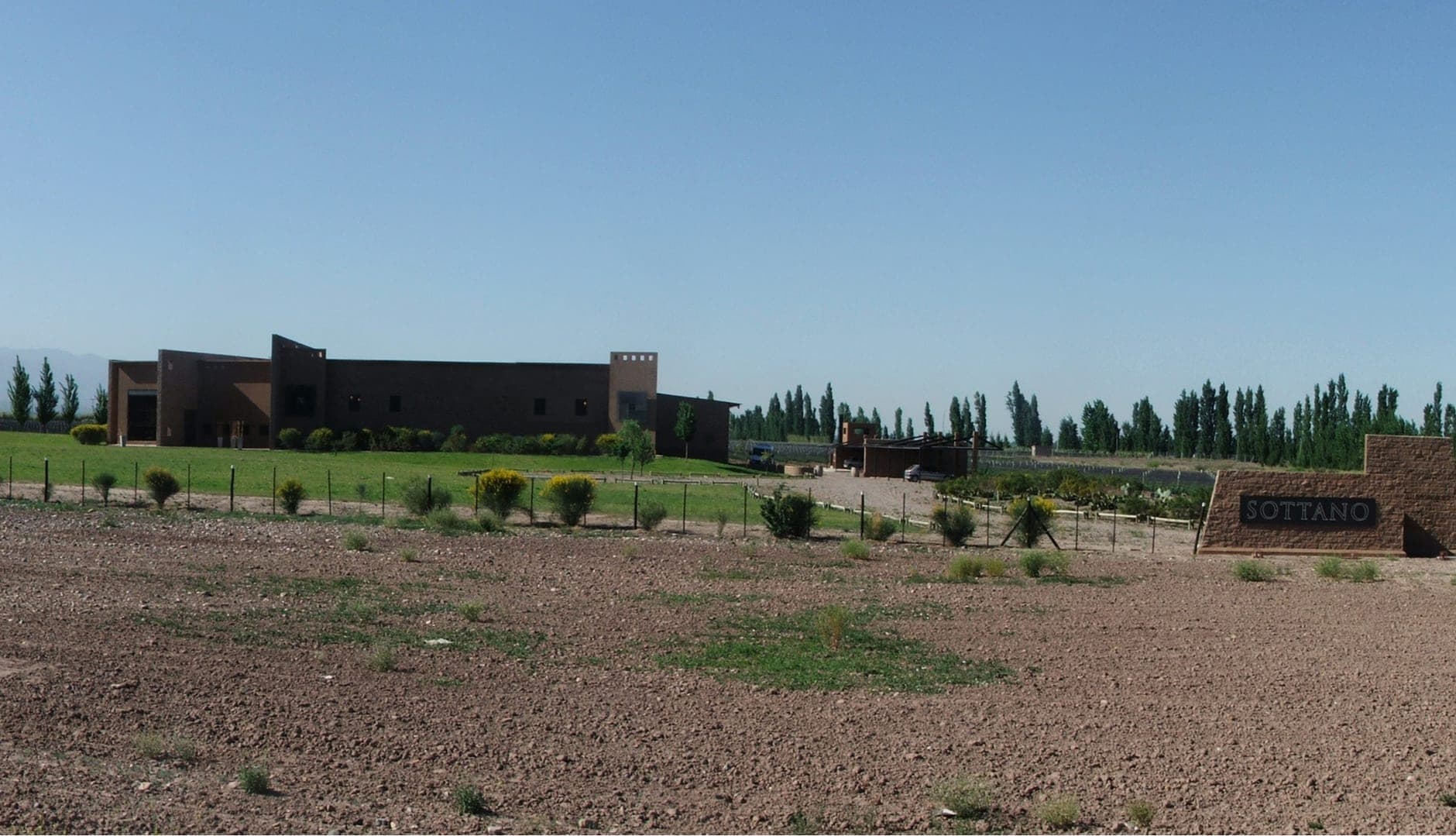
Luján de Cuyo Wine Travel Guide (Mendoza, Argentina)
Nestled in the heart of Mendoza, Luján de Cuyo is a wine lover's paradise. This region, known as the "Primera Zona" or F
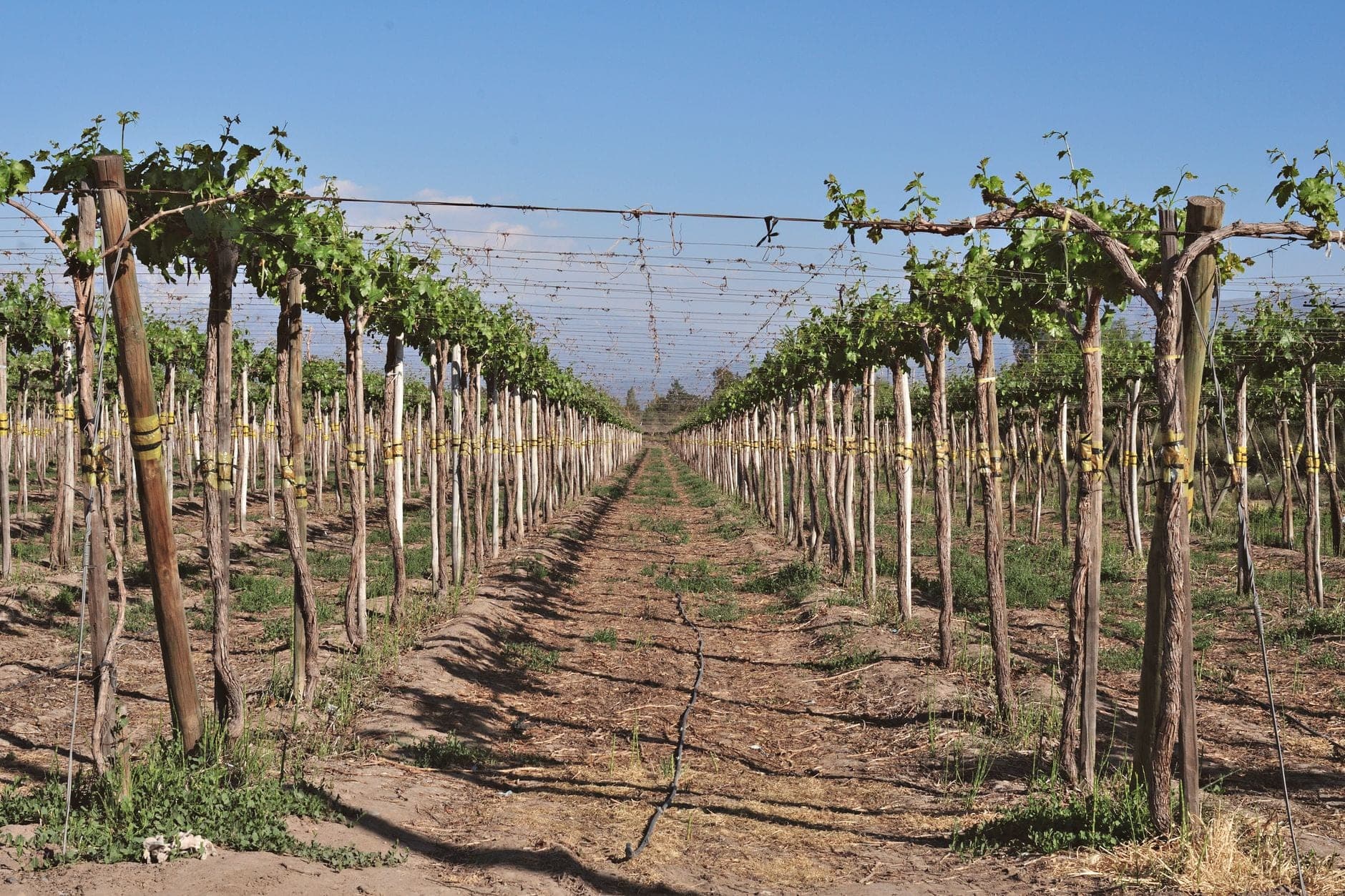
Maipú Wine Travel Guide (Mendoza, Argentina)
Maipú, a department in Mendoza province, Argentina, is a wine lover's dream. Located just 15 km southeast of Mendoza cit
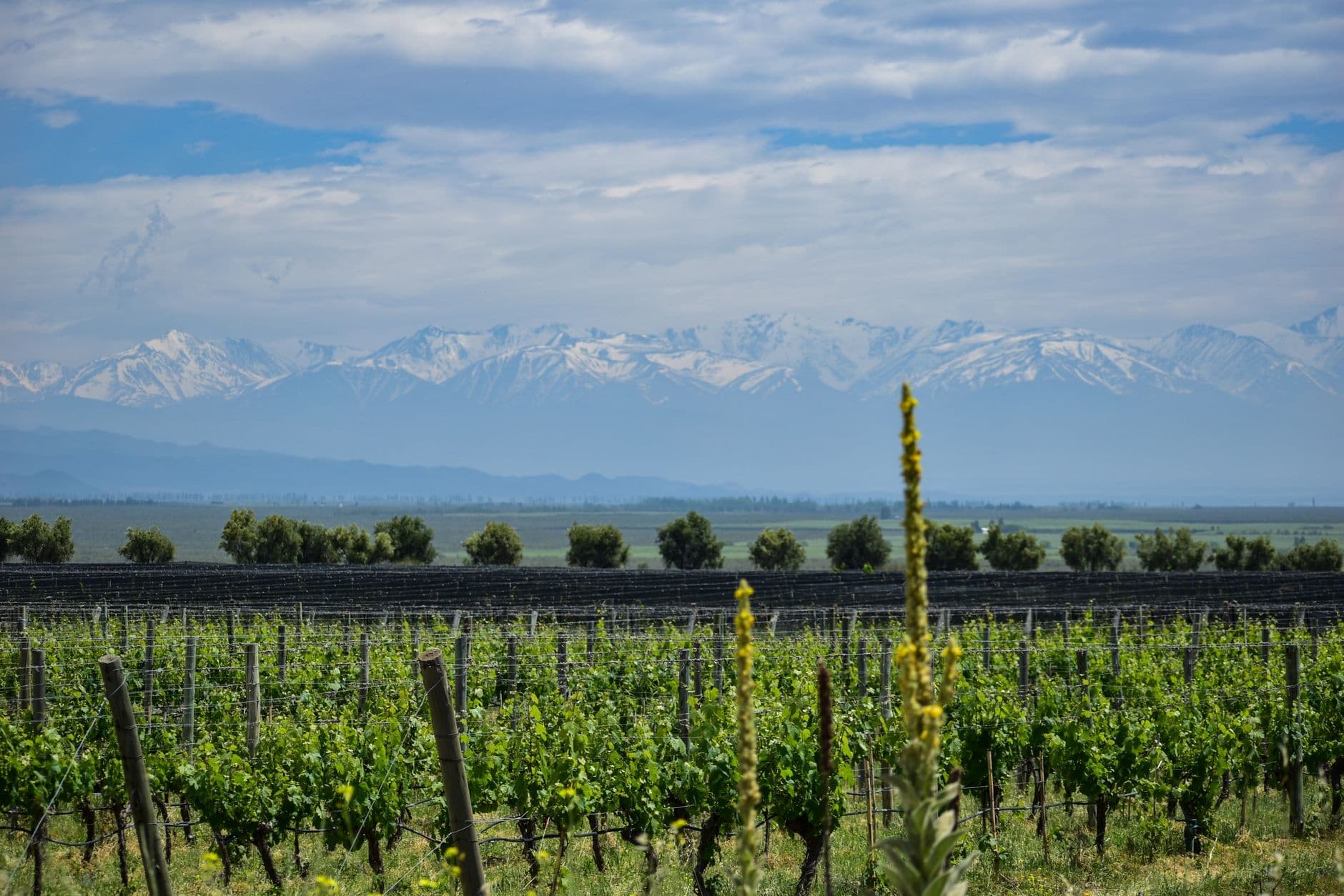
Uco Valley Wine Travel Guide (Mendoza, Argentina)
Uco Valley: Mendoza's high-altitude wine country at 1,000–1,500m, producing Argentina's most complex Malbec and Chardonn
Best Time to Visit Mendoza
February-April
February-April
High during harvest (Mar-Apr), moderate otherwise
Average Monthly High (°C)
Very low (200mm/year)Wines of Mendoza
Key grape varieties and wine styles produced in the region
Primary Grape Varieties
Wine Styles
Food & Dining in Mendoza
Argentine — MendocinoMust-Try Dishes
- Asado (whole-animal barbecue)
- Empanadas mendocinas
- Humita en chala
Where to Eat
- $$$$
Restaurante 1884 — Francis Mallmann
Celebrity chef Francis Mallmann's flagship in a restored Bodega Escorihuela, wood-fire cooking
- $$$$
Siete Fuegos — The Vines Resort
Francis Mallmann's open-fire restaurant at The Vines of Mendoza in Uco Valley
Winery restaurants require reservations, often as part of a tasting experience. Harvest (Feb–Apr) is busiest.
Where to stay in the vineyard
Sleep among the vines — our pick of vineyard hotels and estate stays in Argentina.
View Argentina vineyard hotelsUpcoming Wine Festivals in Argentina
See all festivalsHidden Gems Nearby
Discover more hidden gemsBodega Colomé
WTG PickSalta, Argentina
The world's highest vineyard plus a James Turrell light art museum in the Argentine desert — a wine and art experience found nowhere else on Earth.
Malbec · Torrontés
Achaval Ferrer
WTG PickMendoza, Argentina
Benchmark single-vineyard old-vine Malbec from centenarian vines — intimate cellar visits that feel a world away from Mendoza's tourist circuit.
Malbec
Clos de los Siete
Mendoza, Argentina
A French-Argentine joint venture designed by Michel Rolland and six Bordeaux owners — high-altitude Uco Valley Malbec of extraordinary quality at accessible prices.
Malbec · Cabernet Sauvignon · Merlot
Continue Exploring
Did You Know?
We’re still gathering facts about Mendoza. Tell us what makes it special
Ready to visit Mendoza?
Build your personalised day-by-day itinerary — choose your travel style and trip length, get accommodation and tour picks per day, and email it to yourself to take along.
Plan Your Visit to Mendoza
Tours & Experiences via GetYourGuide
This page contains affiliate links. We may earn a commission at no extra cost to you.