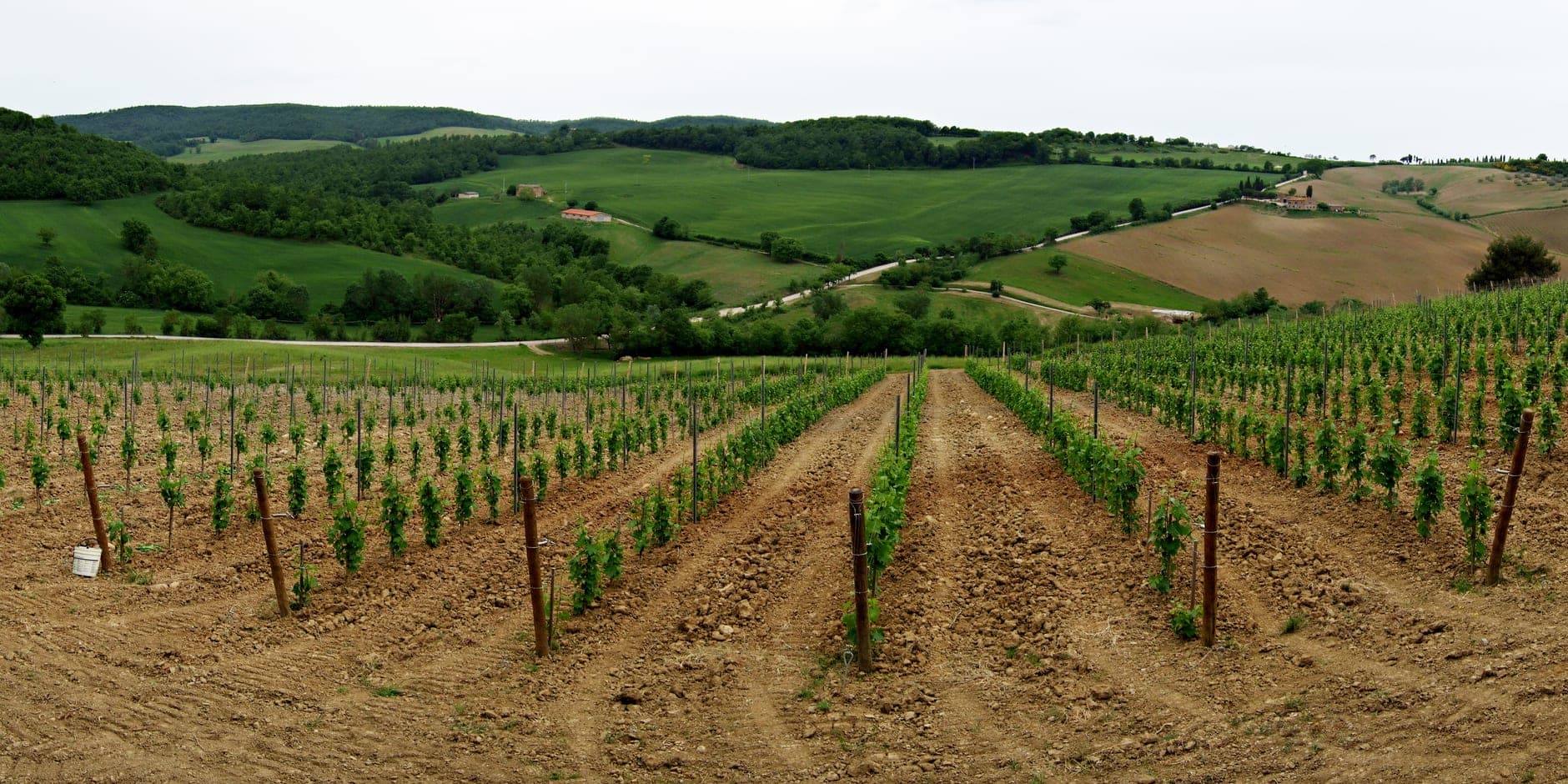
 Photo: Francesco Sgroi / Wikimedia Commons
Tuscany Wine Region Guide
Plan your Tuscany wine trip - estate tastings from EUR25, best Apr-Jun and Sep-Oct. Sassicaia and Ornellaia require 4-8 weeks advance booking.
Key takeaways
- Trip length: 5–7 days to cover Chianti, Montalcino and Bolgheri properly; 3 days is enough if you stick to one sub-region.
- Best months are May–June (wildflowers, comfortable temps) or September (harvest / vendemmia energy) — avoid August when temps push 40 °C and many estates close for staff holidays.
- Where to base: Florence or Greve for first-timers (Chianti Classico spine), Montalcino for Brunello collectors, Bolgheri for Super Tuscan and coastal-route travellers.
- Book top estates 2–3 weeks ahead — Antinori, Frescobaldi, Ornellaia and the Bolgheri big names need email reservations, and weekends fill fast during the September harvest.
Editorial pick
Best chateaux to visit in Tuscany — top 10 picks 2026
Read the listicle →
Sample itinerary
3 days in Tuscany — full day-by-day plan
Read the itinerary →
Vineyard hotels
Vineyard hotels in Tuscany — 10 estates where you can stay
Read the guide →
Plan your visit: Plan your Tuscany trip — free printable planner for Chianti, Brunello, and Super Tuscan country.
Tuscany: What You're Really Getting Into
Tuscany is both the best and worst introduction to Italian wine travel. Best, because everything is here: Chianti Classico's ancient Sangiovese vineyards, Montalcino's revered Brunello estates, Bolgheri's Bordeaux-style Super Tuscans, and the crisp Vernaccia of San Gimignano — all within a few hours of each other, surrounded by medieval hill towns, cypress-lined roads, and some of the most confident cooking in Europe. Worst, because the combination of all that makes it brutally crowded from June through September, expensive by Italian standards, and increasingly structured around tour-group experiences rather than authentic winery encounters.
The honest assessment: Tuscany rewards preparation. Come without a car and you'll see three wineries and a lot of bus schedules. Come in August without bookings and you'll pay €450/night for an agriturismo that costs €155 in October. Come expecting rustic simplicity and you'll find that the top Chianti Classico estates now charge €30–75 for tastings and operate with a polish that would embarrass Napa. None of this is a reason not to come — it's a reason to come correctly. Budget travellers get the best deal by targeting cooperatives, timing shoulder months, and staying in agriturismo half-board, where €60/night often includes dinner, local wine, and breakfast.
What sets Tuscany apart from Bordeaux, Burgundy, or the Douro is not just the wine but the density. Within 90 minutes of Florence you have four distinct DOCG appellations, each with its own character, price point, and visitor infrastructure. You can drink a €12 Chianti Classico from a cooperative in the morning and a €150 Gran Selezione from a centuries-old estate in the afternoon. That range — and the food culture surrounding it — is what makes Tuscany the reference point that every other Italian wine region is measured against.
Wine Regions & Appellations
Tuscany sits on the Apennine spine of central Italy, with the Arno Valley cutting through its heart. The landscape shifts from cooler, hillside vineyards inland to the coastal warmth of the Maremma, producing dramatically different styles even within the same grape. Understanding which zone suits your budget and palate saves you a lot of driving.
Chianti Classico
The original Chianti zone between Florence and Siena, now its own DOCG. Sangiovese on galestro (shale) and alberese (clay-limestone) soils produces wines with a distinctive iron-and-cherry core — tart, structured, built for food. The three-tier system runs from Chianti Classico (€12–25), through Riserva (€25–60), to Gran Selezione (€40–150+), the latter requiring single-vineyard sourcing and longer ageing. Key producers for visitors: Castello di Brolio (Ricasoli family, €25–35 tasting), Isole e Olena, Fontodi, Fèlsina. The Gallo Nero (Black Rooster) on the label is the DOCG guarantee.
The black rooster (gallo nero) on a foil capsule is your literacy test. Every bottle of Chianti Classico DOCG carries the Consorzio Vino Chianti Classico's gallo nero mark, distinguishing it from broader Chianti DOCG, which uses a different emblem and covers vineyards across six other Tuscan provinces. The Consorzio was founded in 1924 to defend the original zone first bounded by Cosimo III's 1716 decree — one of the earliest legal demarcations in wine history. The rooster itself comes from a medieval legend: Florence and Siena agreed to settle their border dispute by sending knights at first cockcrow. Florence cheated by half-starving a black rooster so it crowed earlier, won the race, and claimed the territory between the two cities. The Consorzio kept the rooster as its emblem and the joke remains a quiet point of Florentine pride.
Brunello di Montalcino
Tuscany's prestige appellation, built on a single grape: Brunello (the local Sangiovese clone) grown on the slopes of Monte Amiata's foothills near Montalcino. The wines require five years of ageing before release, which means what's on tasting tables now is the 2019 vintage. Prices start around €35 for entry-level Brunello and run to €300+ for Biondi-Santi Riserva. The appellation's little sibling, Rosso di Montalcino, uses the same grapes from younger vines or declassified fruit and releases after one year — it's the best value introduction to the zone at €15–25. Sassicaia and Ornellaia are in Bolgheri, not Montalcino — a common visitor confusion.
Bolgheri & the Super Tuscans
On the Tyrrhenian coast, Bolgheri has no ancient traditions — it was a backwater until Sassicaia planted Cabernet Sauvignon in the 1940s and rewrote the rules. The Super Tuscans that followed (Ornellaia, Masseto, Guado al Tasso) are Bordeaux blends — Cabernet Sauvignon, Merlot, Cabernet Franc — grown in warm, maritime conditions with gravelly soils. These are collector wines, not cooperatives: entry-level Bolgheri DOC starts around €25 and the Icons start at €150 and top out past €500. The visitor experience is more like Napa than Chianti — appointments required, prices high, staff professional. Worth the effort if Bordeaux-style reds are your thing. The drive along Viale dei Cipressi (the cypress boulevard into Bolgheri village) alone is worth the detour.
Vino Nobile di Montepulciano

Montepulciano makes the best-value case in Tuscan wine. Vino Nobile is Sangiovese (called Prugnolo Gentile locally) from clay and limestone soils east of Siena — broader, more rustic than Chianti Classico, with a savoury, earthy quality that pairs exceptionally well with bistecca and wild boar. Prices run €18–45, roughly half what you'd pay for an equivalent Brunello. Avignonesi, Poliziano, and Salcheto are the names to know. The town itself — a perfectly preserved Renaissance hill town — is far less visited than San Gimignano and far more pleasant for it.
Vernaccia di San Gimignano
Tuscany's only white DOCG, grown on the terraced slopes surrounding the towers of San Gimignano. Vernaccia is straw-gold, dry, and distinctive — almond on the finish, saline minerality, moderate acidity. Quality ranges from forgettable tourist-trap bottles (€8 in the piazza) to genuinely impressive Riservas aged on lees (€18–28). Producers to seek: Montenidoli, Il Colombaio di Santa Chiara. The town is congested in summer but the wine genuinely rewards a visit — and it's one of the few whites that holds its own alongside a Florentine ribollita.
Grape Varieties
Vine Cycle — Tuscany
Full calendar →Tuscan harvest is a cultural event. Many estates offer vendemmia (grape-picking) experiences. Late September brings the perfect storm of harvest activity, truffle hunting, and warm golden light over cypress-lined hills.
Sangiovese is Tuscany, and Tuscany is Sangiovese — the grape accounts for roughly 65% of plantings and appears under a dozen different names (Brunello, Prugnolo Gentile, Morellino) depending on the zone. In its finest form it delivers dried cherry, iron, dried herbs, and a grip of tannin that needs time — or, more practically, food. The characteristic mouthfeel is dry, medium-to-full bodied, with firm acidity that keeps it fresh across decades of ageing. In Chianti Classico it's often blended with tiny amounts of other varieties; in Brunello and Vino Nobile the rules require 100%. Pair it with fatty braised meats, aged pecorino, or the Florentine bistecca — never with delicate fish.
Cabernet Sauvignon and Merlot arrived as rule-breakers in the 1970s–80s, planted by producers frustrated with the old Chianti blend regulations. The Super Tuscans they created — Sassicaia, Ornellaia, Masseto — became globally famous precisely because they ignored the DOC rules. Today Bolgheri has built an entire DOC around these varieties, with the coastal warmth delivering ripe, plush fruit and the gravelly soils adding structure. Masseto's Merlot is frequently cited as the finest outside Pomerol. If you're tasting in Bolgheri, expect cassis, graphite, and cedary oak — an entirely different register from Sangiovese.
Vernaccia di San Gimignano deserves more attention than it typically gets. The white grape produces wines with a distinctive bitter-almond finish and pale gold colour, dry and aromatic. In Riserva form — aged six months minimum on the lees — it develops a textural complexity that stands alongside a Soave Classico or light Burgundy. It's also Tuscany's only DOCG white, which counts for something. For a region so red-wine obsessed, Vernaccia is the underdog worth ordering whenever you're in San Gimignano or its surrounds.
Understanding Tuscan Wine Classifications
Italy's wine classifications form a pyramid. DOCG (Denominazione di Origine Controllata e Garantita) is the strictest tier — guaranteed origin, grape composition, and ageing requirements, with a numbered government seal across the bottleneck. Tuscany has eleven DOCGs, including Chianti Classico, Brunello di Montalcino, Vino Nobile di Montepulciano, Vernaccia di San Gimignano, and Carmignano. DOC (Denominazione di Origine Controllata) sits a notch below, IGT (Indicazione Geografica Tipica) is broader still and allows international grape varieties outside DOCG rules, and Vino da Tavola is the bottom rung — table wine, no geographic claim.
The Super Tuscans story is the system breaking down. When Sassicaia, Tignanello, and Solaia were released in the 1970s using Cabernet and Merlot, the rules of the day forced them onto the lowest tier despite costing more than most DOCG wines. By the early 1990s the situation was untenable — IGT was created in 1992 to give these wines a respectable home, and Bolgheri got its own DOC in 1994 (later expanded with Bolgheri Sassicaia DOC, the only single-estate appellation in Italy). The lesson for buyers: in Tuscany, IGT bottlings can sit at any price point. Read the producer name and vintage, not the tier on the label.
Tasting Room Guide
The booking landscape in Tuscany is unusually stratified. Most Chianti Classico estates — including mid-tier family producers — accept walk-ins, particularly outside July–August. Montalcino operates differently: the top Brunello estates (Biondi-Santi, Gaja's Pieve Santa Restituta, Il Poggione) require appointments booked 2–4 weeks ahead. Bolgheri's icon estates (Sassicaia, Ornellaia) require bookings 4–8 weeks out and charge €50–75 for the experience. The further up the prestige ladder, the more you're paying for ceremony — not necessarily better wine education.
The big-name experience: Antinori nel Chianti Classico, the family's architecturally spectacular new winery near Bargino, offers structured tours at €35–60. The building alone — terraced into the hillside, barely visible from the road — is worth the entry fee. Expect a tasting of 4–6 wines with commentary, a slick shop, and a restaurant (Osteria di Passignano, Michelin-starred, book months ahead). Ornellaia in Bolgheri runs €60–90 tours with art installations as centrepieces. Tenuta San Guido (Sassicaia) requires 4–8 weeks booking and charges €75 for the Sassicaia vertical — justified only if you're already a collector.
The mid-range sweet spot: family estates in Greve in Chianti and Panzano are where the real character lives. Fontodi in Panzano welcomes visitors by appointment at €25–30 for four wines, including their benchmark Flaccianello della Pieve. Castello di Ama near Lecchi offers estate visits with contemporary art installations at €35. These are wine-focused operations — the hospitality is warm but not performative. Walk-ins are possible midweek in April–May and October–November; email the day before in peak season.
The under-the-radar value pick: Enoteca Falorni in Greve in Chianti's main piazza has been an institution since 1806. They stock 1,000+ labels and run a self-serve enoteca machine — load a card, choose from 100 open bottles at €2–15 a pour. You'll taste more wines in an afternoon than a week of winery appointments, at a fraction of the cost. For cooperative quality, seek out the Greve in Chianti cooperative (selling under the Uggiano label) where house Chianti Classico runs €10–12 a bottle and walk-ins are always welcome.
Best Time to Visit
Monthly Climate — Tuscany
Full explorer →
April and May give you Tuscany at its greenest and least crowded. Temperatures run 14–20°C in Chianti, wildflowers are out in the vineyards, and accommodation costs 30–40% less than peak summer. The one caveat: some smaller estates are still in their post-winter rhythm and may not have their full tasting team available. Email ahead in April. This is the window for anyone who finds summer crowds unbearable — you can actually park in San Gimignano.
June is warm (25–28°C), vibrant, and manageable — then July and August arrive and Tuscany becomes an entirely different place. Peak season multiplies accommodation costs by 1.4x and some roads in the Chianti Classico zone feel like a slow-moving convoy of rental SUVs. If you must come in summer, base yourself in Montepulciano or Montalcino — less photogenic than Greve but far calmer, and the Brunello estates are working hard regardless. Avoid the coastal Maremma in August entirely: Castiglione della Pescaia and Argentario become packed Italian beach resorts, and winery visiting stops being the priority.
Late September to mid-October is the harvest window — Sangiovese picks between September 20 and October 15, with the best harvest tourist experiences peaking around the last week of September. Fall colours hit the cypress-lined roads, truffle hunting begins in earnest, and agriturismos run harvest dinners with unfiltered new wine. Temperatures drop to 15–20°C. This is the best time to come if you want to experience Tuscany as a wine destination rather than a cultural monument. The contrarian pick: early November. Crowds have gone, prices return to shoulder rates, truffles are at their peak, and the light across the Crete Senesi is extraordinary. Some smaller wineries shutter for bottling, but the ones open are genuinely glad to see you.
Named Wine Festivals to Time Your Visit Around
Four festivals are worth pinning to a calendar before you book flights. Radda nel Bicchiere (early June, Radda in Chianti) opens cellars across the village for a weekend of tasting at producer stalls in the piazza. Expo del Chianti Classico (mid-September, Greve in Chianti) is the largest annual showcase of Chianti Classico Gran Selezione — fifty-plus producers, three days, the kind of event where you taste 1997 and 2019 vintages back-to-back. Vino al Vino (mid-September, Panzano) is the producer-led take on the same idea, smaller and built around Dario Cecchini's home village. Festa dell'uva (late September, Impruneta) is the traditional Florentine grape festival with quarter-themed floats — less wine-trade, more village atmosphere. All four sit inside the spring or harvest windows we already recommend, so they layer onto a trip rather than dictating one.
Getting There & Around
Getting There
Florence Airport (FLR — Peretola) is the primary entry point, 40 minutes from the city centre by taxi (€25–30) or tram (€1.70, T2 line, 20 minutes). Most European cities have direct connections; intercontinental travellers typically transit via Rome (FCO) or Milan (MXP). Pisa Airport (PSA) is a useful alternative for coastal Tuscany and Bolgheri — it's 1 hour from Livorno and well-served by Ryanair from northern Europe. The fast train Frecciarossa links Florence to Rome in 90 minutes (€25–60) and to Milan in under 2 hours.
Getting Around
A hire car is not optional for wine country — it is the wine country. The SR222 (Chiantigiana) from Florence to Siena is the canonical wine road, threading through Greve, Panzano, and Castellina in Chianti. Budget €50–70/day from Florence Airport (book in advance for summer). Italy's drink-driving limit is 0.5g/L blood alcohol — stricter than the UK — and enforcement on Chianti roads is real. The practical solution is a professional guide driver (€300–400/day for a car of four), who also knows which estates are actually open and can navigate the dirt tracks (strade bianche) to smaller producers. Guided wine tours from Florence run €60–120/person and handle all logistics.
Cycling the Chianti Classico zone is increasingly popular — the strade bianche gravel roads that make the Strade Bianche cycling race famous are also ideal for e-bike tours. Rentals in Greve in Chianti run €35–55/day for an e-bike; several operators offer guided half-day routes with a winery stop included. Florence to Siena by public bus (SITA) takes 90 minutes and drops you in Siena — from there you need a taxi or pre-arranged transfer to reach rural estates.
Where to Stay
The choice of base determines your entire visit. Florence is the obvious hub but puts you an hour from most wine country — ideal if you want a city-art-wine mix, less so if wineries are the priority. Greve in Chianti is the best wine-country base: small enough to walk everywhere, with an enoteca on every corner, and centrally positioned for Chianti Classico. Montalcino suits Brunello devotees willing to trade out proximity to other zones.
Using Florence as Your Base
For first-timers who don't want to commit straight to a rural agriturismo, Florence remains the obvious staging point — but the neighbourhood matters. Santa Maria Novella (around SMN station) is the easiest wine-trip base: walk to the station, walk to Avis or Hertz at the rental cluster on Via Borgo Ognissanti, and you can be on the SR222 within twenty minutes of pick-up. Oltrarno (south of the Arno, around Piazza Santo Spirito) is quieter and closer to Porta Romana for the southern exit toward Greve. Avoid hotels inside the Centro Storico if you're driving — the ZTL (Zona a Traffico Limitato) cameras issue €90+ tickets to any non-resident car entering the restricted zone, and your rental company will pass the fine plus a €40–€60 admin fee weeks after you're home. Drive times from Florence: Greve in Chianti 45 minutes, San Gimignano 1h15, Montalcino 1h45, Bolgheri 2h15. The practical pattern is one or two nights in Florence at the start, then move into Chianti or Montalcino for the rest of the trip — sleeping near the vineyards saves a 90-minute round trip on the last tasting of the day.
Budget (€50–80/night): Agriturismos in the hills around Greve regularly advertise rooms at €55–70 in shoulder season, often with access to a shared kitchen and estate wine at dinner. The Podere Campriano near Greve is a reliable option. In Florence, hostels and B&Bs in Oltrarno run €45–65 for a private room.

Mid-range (€120–200/night): Castello di Spaltenna near Gaiole in Chianti offers rooms inside a genuine fortified medieval monastery at €150–190, with a pool, spa, and a restaurant serving Chianti Classico from their own cellar. In Montalcino, Il Giglio is a well-run small hotel with panoramic views at €100–140. The Locanda di Pievescola in the Siena hills is a converted farmhouse at €130–170 that doesn't compromise on food quality.
Luxury (€350–600+/night): Borgo Santo Pietro near Chiusdino is the benchmark for Tuscany wine-country luxury — a 13th-century hamlet reimagined as a 23-room hotel with a biodynamic farm, two restaurants, and exceptional attention to regional wine. Rooms from €450 in shoulder season. Castello Banfi il Borgo in Montalcino puts you on the estate of one of Brunello's major houses with direct access to their wine library. If villa rental is the goal, a week in a private farmhouse in the Crete Senesi with six bedrooms runs €3,500–6,000 in peak season — split among a group, it competes with hotel pricing.
Where to Eat
Tuscan food is built for Sangiovese — fatty, savoury, intensely flavoured, and uncompromising about quality ingredients. The kitchen here is not trying to impress you with complexity; it's trying to make you understand why bistecca alla fiorentina needs nothing more than fire, salt, and Chianti. Eat where the locals eat. Avoid any restaurant with photographs on the menu or a host standing in the doorway.
Serious dining: Osteria di Passignano (Antinori estate, Chianti Classico) is Michelin-starred and set inside a medieval abbey, with a wine list that reads like an auction catalogue — €90–130/head before wine. Book 4–6 weeks ahead. In Florence, Buca Mario (est. 1886) is the oldest trattoria in the city and does a serious bistecca at €65–75 for the cut; Enoteca Pinchiorri on Via Ghibellina holds two Michelin stars and serves a tasting menu at €180–220 — perhaps Italy's most complete wine list.
What vignerons eat: Trattoria Mario in Florence's San Lorenzo market has operated since 1953 on a model of communal wooden tables, no reservations, and dishes that change with what arrived that morning — ribollita, lampredotto (tripe sandwich), pappardelle al cinghiale. Expect €20–25/head including wine. In Panzano, Dario Cecchini's Officina della Bistecca runs a theatrical fixed-menu dinner of beef cuts (he is a butcher-celebrity-performance-artist, and the bistecca is legitimately excellent) at €60/head — book online, arrive on time.
No-reservation practical: In Greve in Chianti, Ristorante del Chianti on the main piazza takes walk-ins for lunch, runs €30–40/head, and stocks a serious local wine list. Order the pici cacio e pepe (hand-rolled thick pasta, pecorino, black pepper) followed by bistecca. For quick stops between wineries, any alimentari selling schiacciata (flatbread) stuffed with finocchiona (fennel salami) and local sheep's cheese provides the best €4 meal in the region.
Practical Information
Daily budgets in euros, per person: Budget travellers staying in agriturismo half-board, eating at market trattorias, and visiting cooperative tastings should plan €110/day. Mid-range travellers with a hire car, mid-tier hotel, and estate tastings run €220/day. Luxury travellers at a wine-country hotel with Michelin meals and guided Bolgheri experiences should budget €550/day. These figures include accommodation, meals, tastings, and transport but not flights. Peak season (June–September) adds 40% across accommodation.
Currency is euro. Credit cards are accepted almost everywhere in tourist Tuscany but carry €50–100 cash for agriturismo wine purchases, roadside produce stands, and small-town bars that still prefer cash. Tipping: restaurants add a coperto (cover charge) of €1–3 per person automatically. An additional 10% for good service is generous but not expected. Never tip at wineries. VAT (IVA) is included in all displayed prices.
Language: Italian is the working language outside Florence and Siena. In Chianti Classico wine country, most estate staff speak English, German, and sometimes French — the international wine trade has ensured that. In Montalcino, English coverage drops: many smaller Brunello producers work through hand signals and poured glasses, which is perfectly fine. A handful of Italian words (grazie, per favore, un assaggio, vorrei prenotare una visita — I'd like to book a visit) will get you further than you'd expect.
Wine Windows (Buchette del Vino)
If you have time in Florence, look for buchette del vino — small arched windows set into the facades of Renaissance palazzi, originally used by noble families to sell wine direct from cellar to street while bypassing the tavern guilds. Roughly 150 survive across Florence and a handful of other Tuscan towns. Most were sealed for centuries; the 2020 lockdowns revived the practice, and a few dozen now serve glasses of wine, espressos, or gelato through the original openings. The Associazione Buchette del Vino maintains a map. Babae on Via Santo Spirito and Vivoli on Via dell'Isola delle Stinche are the most photographed examples — small operators with short hours, so check before walking out.
The rookie mistake that costs the most: driving into Florence's ZTL (Zona Traffico Limitato) in a hire car. The historical centre is a restricted traffic zone with camera enforcement. Fines run €70–300 and arrive by post months later. Hire car companies add a processing fee on top. The solution: park at Piazzale Michelangelo or any peripheral car park and walk in or take a tram. Never enter the ZTL unless you have specific permission.
Best Wineries to Visit in Tuscany
Tuscany is one of the few wine regions where the visitor experience at the estate matters almost as much as the wine in the glass. The best producers here have invested seriously in tasting rooms, tours, and hospitality — you're not being squeezed in between deliveries. Most Chianti Classico estates welcome walk-ins; Bolgheri's top names require advance booking. Start planning the prestige visits 4–8 weeks out; leave room for spontaneous stops in between.
Bolgheri — The Super-Tuscan Coast
Tenuta San Guido (Sassicaia): The birthplace of the Super-Tuscans and the only estate in Italy with its own single-estate DOC. Visits are tightly controlled and genuinely exclusive — book 4–8 weeks ahead. The standard guided cellar visit runs around €80 per person, including a tasting of current and older vintages of Sassicaia and the estate's second wine, Guidalberto. The cellar tour through the original Marchese Incisa della Rocchetta barriques is more than wine theatre — it actually explains why the 1972 vintage changed Italian fine wine. No walk-ins.
Ornellaia: The most architecturally dramatic estate in Bolgheri, and possibly in all of Italy. Book 4–6 weeks ahead. The Vendemmia d'Artista program has made the estate as famous for contemporary art commissions as for wine. Standard visits run €70–100 per person for a guided cellar tour plus tasting of Le Serre Nuove (second label) and Ornellaia itself. The estate also offers a longer Vendemmia d'Artista experience that includes their art installation — worth the premium for design-minded visitors. Tastings are conducted in a glass-walled room overlooking the barrel cellar.
Antinori — Tignanello & Solaia (Chianti Classico border): The Antinori family has operated continuously since 1385 — the longest-running family wine business in Italy. Their showcase estate, Antinori nel Chianti Classico, sits on the ridge above Bargino and the building itself is a reason to visit: the structure is embedded into the hillside, with vineyard rows running across the roof. Book ahead; walk-ins are rarely possible for structured tours. Cellar visits with tasting of Tignanello and Solaia range from €60 to €150 depending on the format. Allow 2 hours for the full experience. Their Rinuccini and Pian delle Vigne (Montalcino) estates can be visited separately.
Chianti Classico — The Original Wine Road
Castello di Ama: Located near Gaiole, this estate makes some of the most precise Chianti Classico Gran Selezione — the single-vineyard L'Apparita (Merlot) is a cult wine that rarely makes it to export markets. The estate's outdoor sculpture park, with permanent site-specific works by artists including Louise Bourgeois and Daniel Buren, adds a layer of cultural context you won't find elsewhere in Chianti. Standard tastings run €30–50 per person; the sculpture tour combined with wine tasting is €60. Walk-ins accepted outside peak summer, but booking recommended.
Badia a Passignano: This 11th-century Vallombrosan monastery between Florence and Siena is now run by Antinori and is one of the most photogenic estate visits in Tuscany. The 12th-century abbey is visible on approach for several kilometres. Cellar tours take you through the medieval stone-vaulted fermentation cellars and the barrel cellar carved from the hill. Tasting formats range from a 4-wine flight at €30 to the full monastery experience at €80. The Osteria di Passignano restaurant (Michelin-starred) is on the property — book the restaurant separately, months in advance.
Castello di Brolio (Barone Ricasoli): Italy's oldest winery still in the same family (1141), and the estate where Baron Bettino Ricasoli is said to have formulated the original Chianti recipe in the 1870s. The 13th-century fortification is a proper medieval castle — you can walk the ramparts. Estate visits are walk-in friendly at the enoteca (€20–35 for a standard tasting), or book ahead for structured cellar tours at €45–60. The property includes a garden, chapel, and one of the better on-site restaurants in Chianti — Osteria del Castello — at around €45–65 per head for lunch.
Montalcino — Brunello Country
Casanova di Neri: Run by Giacomo Neri, this estate is widely considered one of the reference producers for modern Brunello — the single-vineyard Cerretalto has appeared at the top of international vertical tastings. Visits by appointment only, typically €50–80 per person for a tasting that includes Rosso di Montalcino, Brunello, and a reserve selection. The cellar is not glamorous but the wines make up for it. Casanova is also more accessible in personality than some Brunello producers — Giacomo or his son Giovanni often meet visitors personally.
Biondi-Santi: The estate that invented Brunello di Montalcino. The Biondi-Santi family isolated the Brunetto clone of Sangiovese Grosso in the late 19th century and created the appellation. The cellar still holds vintages going back to 1888. EPI (LVMH) purchased the estate in 2016, which brought both investment and controversy among traditionalists. Visits are by appointment only, are priced at €80–150 per person, and include a tasting across multiple vintages — often going back a decade or more. This is the rarest tasting experience in Montalcino and worth booking months ahead for serious wine travellers.
One estate most visitors miss: Il Paradiso di Manfredi (Montalcino). A tiny, family-run biodynamic producer whose Brunello consistently outperforms estates with ten times the profile. No glossy tasting room — visits are by appointment only, usually conducted by Florio Guerrieri himself in the working cellar. Tastings run around €30–40 per person and may include wines going back several years. Ring ahead (Italian speakers preferred, but worth trying in English) — the wines are among the purest expressions of the Galestro soils on the southern slope.
Where to Eat
Tuscan food culture is unusually territorial — what you eat in Chianti differs from what you eat in Montalcino. The common thread is restraint: excellent ingredients cooked with minimal interference. Bistecca alla fiorentina (Chianina beef, grilled over oak, served bloody), pici cacio e pepe (hand-rolled thick pasta with sheep's cheese and black pepper), ribollita (slow-cooked bread and vegetable soup), and cantucci dipped in Vin Santo at the end of a meal. Restaurants near the main estates are overpriced and ordinary; the best places are in the villages, away from the tour bus drop-off point.
Serious: Osteria di Passignano
Inside the Antinori estate at Badia a Passignano, this Michelin-starred restaurant is one of the best arguments for combining fine dining with a winery visit anywhere in Italy. The kitchen — led by chef Marcello Crini — works with seasonal Chianti produce and pairs against the Antinori cellar list, including vertical pours of Tignanello and Solaia. Budget €120–160 per person for food, or €200+ with matched wines. Book 4–6 weeks ahead for dinner; lunch reservations are slightly easier. Worth timing around a morning cellar tour at the same estate.
Local: Officina della Bistecca (Panzano in Chianti)
Dario Cecchini — Italy's most theatrical butcher — runs three restaurants at his shop in Panzano in Chianti, but Officina della Bistecca is the main event: a fixed-price, communal-table steak dinner (€60 per person) that includes multiple cuts of Chianina beef, house Chianti, and the full Dario experience including occasional singing. No menu, no choices, no fussing — you eat what you're given. Reserve online at dariocecchini.com; the experience sells out weeks ahead in summer. His adjacent Solociccia (€30 per person) and Dario DOC (free, walk-in only) are good alternatives if Officina is full.
Practical: Trattoria Mario (Florence)
Operating since 1953 in the San Lorenzo market, Trattoria Mario is the reference point for honest Florentine cooking without the tourist-district surcharge. Communal tables, paper menus, no reservations taken — arrive before 12:30 or expect a queue. A full lunch of ribollita, a secondo, bread, and a quarter-litre of house Chianti comes to €18–25 per person. Order the trippa alla fiorentina if it's on — it sounds alarming but it's the dish Mario's regulars come back for. Closed Saturday evening, all day Sunday, and throughout August.
Vineyard Hotels & Agriturismi Worth Knowing
Tuscany has more good wine estate accommodation than almost any region in Europe — the combination of scenic working farms, Renaissance architecture, and a long agriturismo tradition means the quality ceiling is high. These picks cover four different trip profiles; the booking widget below covers a wider range of availability.
Relais San Casciano (Chianti, from €280/night): A working wine estate near San Casciano Val di Pesa with 10 rooms in restored stone farmhouses. The estate produces its own Chianti Classico and olive oil, and the kitchen uses estate produce for the included breakfast and optional dinners. Better value than many Chianti boutique hotels at a similar price point because you're actually on a functioning farm, not just a renovated building in a wine region. Minimum 2-night stay in peak season.
Castiglion del Bosco (Montalcino, from €650/night): The most complete wine estate resort in Tuscany — a private borgo (medieval hamlet) on 5,000 acres near Montalcino that includes a Brunello-producing estate, an 18-hole golf course, and a spa. Rooms are in restored stone cottages; the wine cellar hosts private Brunello tastings for guests. The property is now part of the Rosewood collection. Best suited to travellers who want to base in one place for several days and explore Montalcino without a rigid schedule. Prices in August exceed €1,000/night.
Il Borro (Arno Valley/Valdarno, from €400/night): A 700-hectare estate in the Valdarno owned by Salvatore Ferragamo — yes, the fashion family — that produces certified biodynamic wine and operates a hamlet of 15 apartments and suites. The estate vineyard sits between Chianti Classico and Arezzo, making it a good base for visiting both zones. The on-site trattoria uses estate produce; the village-style layout means children and couples both work well here. Book through the estate directly for the best room availability.
Agriturismo Podere Scopetone (Montalcino, from €90/night): For visitors who want to be inside Brunello country without spending €500 a night, this small working agriturismo near Sant'Angelo in Colle offers 6 rooms and an evening meal featuring local produce, including the family's own Rosso di Montalcino. Simple, authentic, and significantly better value than the boutique hotels in the Montalcino town centre. Book direct by email — they don't always surface on booking platforms.
How Most First-Timers Structure Three Days
Three days is the minimum that makes a Tuscany wine trip feel coherent rather than rushed. It fits the three main zones — Chianti Classico, Montalcino, and Bolgheri — with a day each, and means you're not spending half your time in a car. This is how most visitors end up structuring it after the fact; you can use the trip planner to customise by starting point, pace, or budget.
Day 1 — Greve in Chianti and the Classico Belt
Base yourself in Greve in Chianti (40 minutes south of Florence on the SR222). Morning: walk the triangular piazza, buy provisions from the Falorni salumeria (which has been operating since 1806), then visit Castello di Brolio or Badia a Passignano for a mid-morning cellar tour — both are 25–30 minutes south of Greve. Afternoon: a second tasting at a smaller producer — Fontodi in Panzano is consistently excellent at around €25 per person and doesn't require a booking. Evening: dinner at Dario Cecchini's Officina della Bistecca (book ahead) or the quieter Solociccia. Estimated daily spend for two: €220–280, including accommodation at a Chianti agriturismo from €160/night.
Day 2 — Montalcino and Brunello
Drive 90 minutes south to Montalcino. Morning: tasting at one pre-booked estate — Casanova di Neri or Biondi-Santi, depending on your budget and how serious you are about Brunello. Midday: walk up to the 14th-century Fortezza at the top of the hill — the enoteca inside lets you try 20+ Brunellos by the glass for €5–15 per pour without a winery reservation. Lunch with a glass of Rosso di Montalcino at any of the small trattorias on Via Mazzini. Afternoon: Abbazia di Sant'Antimo — the 12th-century Romanesque church 10 km south of town, in a valley ringed by olive groves and vines. If timing works, afternoon prayer is still sung by the resident monks. Return to base via the Val d'Orcia for the cypress-avenue views.
Day 3 — Bolgheri and the Etruscan Coast
Drive 90 minutes west to Bolgheri. The famous cypress-lined Via Bolgheri is shorter than photographs suggest (about 5 km) but genuinely beautiful in morning light. Morning: pre-booked visit to Ornellaia or Tenuta San Guido — you'll have arranged this 4–6 weeks prior. Afternoon: the small town of Bolgheri itself has two good enotecas where you can taste other Bolgheri producers without appointments (Enoteca Tognoni, open most days, bottles from €25). Head to the coast at Castagneto Carducci or Marina di Bibbona for a late lunch if the weather holds. Return to Florence via the Via Aurelia and the A1 motorway — allow 2.5 hours to Florence Peretola for a late departure, or continue north to Pisa (PSA) for a budget airline option home.
Adjust this by region, travel style, and group size using the trip planner at /plan — the Tuscany configuration covers all three zones with flexible day counts and accommodation preferences.
Tuscany's Wine Roads
Italy formally designated eight Strade del Vino in Tuscany, each mapping a distinct wine zone with signposted routes through the producing villages. They're useful as loose geographic frameworks rather than strict itineraries — the signs are inconsistent and GPS is more reliable. The most visited are:
The SS222 "Chiantigiana" — Tuscany's Defining Wine Drive
If you only drive one route in Tuscany, drive the SS222, locally called the Chiantigiana since it cuts through the heart of Chianti Classico. The full length runs about seventy kilometres from Florence (exit south via Porta Romana) to Siena via Strada in Chianti, Greve in Chianti, Panzano, Castellina, Radda, and Gaiole. Allow a full day at minimum, two if you want to stop properly. The ridge between Castellina and Radda is the photogenic stretch — terraced vines on both sides, with cypress lines marking estate entrances; the turn-off for Volpaia gives one of the most reproduced viewpoints in Tuscany. For a parallel route on a second visit, the SR429 through Val di Pesa runs west of the SS222 and serves a different cluster of producers (Tenuta Casenuove, Castello Vicchiomaggio) with materially less traffic. Both routes feed into Castellina from opposite sides, so a loop using the SS222 outbound and SR429 return is the cleanest way to taste both halves of the Classico zone in three days.
Chianti Classico Florentine Hills (Strada del Vino Chianti Classico): The most-used route, running the SR222 (Via Chiantigiana) from Florence south to Siena through the Gallo Nero heartland. Greve in Chianti, Panzano, Radda, Gaiole, and Castelnuovo Berardenga are the main stops. Plan 3–4 days to cover this properly if you're making stops. The road itself is a highlight — cypress-lined, rolling, and largely free of motorway traffic.
Strada del Vino Costa degli Etruschi (Etruscan Coast): The coastal route from Livorno to Piombino covers the Bolgheri and Suvereto appellations. Less travelled than the Chianti road, and better for visitors who want to combine wine visits with beach time on the Tyrrhenian Sea. The Bolgheri section from Castagneto Carducci to Donoratico is the most wine-dense part of the route.
Strada del Vino Nobile di Montepulciano: Loops through the hill towns of Montepulciano, Pienza, and the Val d'Orcia. Vino Nobile is Sangiovese-based like Brunello but less expensive and — to many visitors — more immediately pleasurable to drink young. The Fortezza di Montepulciano hosts the Anteprima del Vino Nobile each February (€20–35 entry), one of the more accessible wine events in Tuscany for general visitors.
Chianti Rufina (northeast of Florence): The least-visited of the main Chianti wine roads and consistently the best value. The Rufina sub-zone sits in a cooler microclimate in the Sieve valley, producing Sangiovese with more acidity and age-worthiness than most Classico at a fraction of the prestige premium. Frescobaldi's Nipozzano estate anchors the zone; smaller producers like Selvapiana and Colognole are excellent and rarely see visiting groups. If Chianti Classico is fully booked in summer, Rufina is the intelligent detour.
Tuscany Wine Travel: Frequently Asked Questions
How many days do I need to see Tuscany wine country?
4–5 days is the sweet spot for covering the main areas. Day 1–2: Chianti Classico (base in Greve or Radda, 2 estate visits per day). Day 3: Montalcino (Brunello tasting, Fortezza enoteca). Day 4: Bolgheri (Sassicaia heartland, coastal return via Piombino). Day 5: optional — Montepulciano or Vino Nobile country. If you only have 3 days, focus on Chianti Classico plus one full day in Montalcino.
Do I need to book winery visits in advance?
For Super Tuscans and DOCG estates, yes — always. Sassicaia requires 4–8 weeks lead time. Ornellaia is appointment-only with a maximum of 8 people per group — book 4–6 weeks ahead. Antinori's Tignanello estate needs 3–4 weeks. For larger Chianti Classico producers such as Badia a Passignano and Brolio, 1–2 weeks is usually sufficient. Some estates including Felsina and Rocca di Castagnoli welcome walk-ins, but call the morning of your visit to confirm availability.
What is Super Tuscan wine?
Super Tuscans are wines that broke DOC rules to use international grape varieties — Cabernet Sauvignon and Merlot — blended with or instead of Sangiovese. Sassicaia (100% Cabernet) started it in 1972, followed by Tignanello and Ornellaia. Italian wine authorities initially downgraded them to humble table wine status. Their commercial success forced creation of the IGT category. Today Super Tuscans command some of Italy's highest prices: Sassicaia 2019 retails at €120–€180 per bottle.
What is the difference between Chianti and Chianti Classico?
Chianti covers a wide zone — some of it flat, mechanised, and producing high-volume wine. Chianti Classico is a specific smaller zone between Florence and Siena with its own Gallo Nero (black rooster) seal. Classico requires minimum 80% Sangiovese and stricter production rules. Within Classico, look for Gran Selezione (single vineyard or top selection) for the finest wines. For travel, the Chianti Classico zone is also the most scenic.
Is a rental car necessary in Tuscany?
Yes for winery visits — no question. Estates are scattered across rural hills with no public transport connections. From Florence you can reach Chianti by SITA bus, but you'll be limited to village-level activities, not estate visits. A practical approach: rent a car for the rural estate days (typically days 2–4 of your trip) and leave it in Florence or Siena for city exploration days.
What does Brunello di Montalcino taste like?
Brunello is made entirely from Sangiovese Grosso (locally called Brunello) grown on the hills around Montalcino. It spends at least 5 years ageing (6 for Riserva). In the glass: dried cherries, leather, tobacco, and iron-rich earthiness. High tannins mean most Brunello needs 10 or more years to fully open. If buying to drink now, look for vintages 2012 or 2013 — or choose Rosso di Montalcino for the same grapes with less ageing requirement at a fraction of the price.
When is the best time to visit Tuscany?
May and June offer warm temperatures without peak heat, with wildflowers on the hills. September is exceptional — harvest runs from around the 10th through October, you'll see pickers in vineyards and smell fermentation at cellar doors. Avoid August, when Ferragosto closes half of Italy including many estates. October brings golden light and is excellent value. Winter (November–February) is quiet with many estates reducing hours, but accommodation is 40–60% cheaper.
What food should I eat in Tuscany wine country?
Bistecca alla Fiorentina (T-bone, minimum 600g, always rare — never request well-done), wild boar ragù (cinghiale) with pappardelle, Pecorino cheese from Pienza, ribollita (hearty bean and bread soup), and crostini with chicken liver pâté. In wine country, ask about local olive oil tasting alongside wine — the Chianti Classico region produces benchmark Tuscan extra-virgin olive oil.
Best for
- First-timersBase in Chianti Classico (Greve, Radda, Castellina) for easy Florence day trips and the Gallo Nero / Black Rooster shorthand to navigate the region.
- Big-name collectorsMontalcino for vintage Brunello tastings at Biondi-Santi and Casanova di Neri; Bolgheri for Sassicaia, Ornellaia and Masseto — book 4–8 weeks ahead.
- Slow travellersVal d’Orcia agriturismo stays, Pienza pecorino and Vino Nobile in Montepulciano, and cypress-lined drives between hilltop towns.
- FoodiesFlorentine bistecca, farm-to-table lunches in Chianti, and truffle hunting around San Miniato from October through December.
Getting There
FLR — Florence (Peretola)
40min drive
1h30 Frecciarossa from Roma Termini to Florence
goodCar rental recommended
Where to Eat
Italian — Toscana
- €€€€
Osteria Francescana
fine dining
- €€€
Il Piastrino
fine dining
Where to Stay in Tuscany
- Greve in Chianti€€-€€€
Heart of Chianti Classico, piazza ringed with enotecas
- Montalcino€€€
Brunello country, hilltop fortress with panoramic views
- San Gimignano€€
Medieval towers, Vernaccia white wine, very photogenic
Agriturismos book out 6+ months ahead for summer — reserve early for the best estates
Booking.com
Tours & Experiences
Tuscany, Italy
Chianti Classico vineyard tour
Visit 2-3 Chianti Classico estates with cellar tour and multi-wine tasting
Brunello di Montalcino experience
Private visits to Montalcino producers with Brunello vertical tasting
Wine Experiences
Visiting Wineries
Most Chianti Classico and Vernaccia producers welcome walk-ins. Prestigious estates like Sassicaia, Ornellaia, and Antinori require advance booking. Michelin-starred winery restaurants need reservations months ahead.
Book ahead: 1–3 weeks for top estates · Top estates: Sassicaia (Tenuta San Guido): 4–8 weeks. Ornellaia: 4–6 weeks.
Planning tools & local info
Best for
- First-timersBase in Chianti Classico (Greve, Radda, Castellina) for easy Florence day trips and the Gallo Nero / Black Rooster shorthand to navigate the region.
- Big-name collectorsMontalcino for vintage Brunello tastings at Biondi-Santi and Casanova di Neri; Bolgheri for Sassicaia, Ornellaia and Masseto — book 4–8 weeks ahead.
- Slow travellersVal d’Orcia agriturismo stays, Pienza pecorino and Vino Nobile in Montepulciano, and cypress-lined drives between hilltop towns.
- FoodiesFlorentine bistecca, farm-to-table lunches in Chianti, and truffle hunting around San Miniato from October through December.
Getting There
FLR — Florence (Peretola)
40min drive
1h30 Frecciarossa from Roma Termini to Florence
goodCar rental recommended
Where to Eat
Italian — Toscana
- €€€€
Osteria Francescana
fine dining
- €€€
Il Piastrino
fine dining
Where to Stay in Tuscany
- Greve in Chianti€€-€€€
Heart of Chianti Classico, piazza ringed with enotecas
- Montalcino€€€
Brunello country, hilltop fortress with panoramic views
- San Gimignano€€
Medieval towers, Vernaccia white wine, very photogenic
Agriturismos book out 6+ months ahead for summer — reserve early for the best estates
Booking.com
Tours & Experiences
Tuscany, Italy
Chianti Classico vineyard tour
Visit 2-3 Chianti Classico estates with cellar tour and multi-wine tasting
Brunello di Montalcino experience
Private visits to Montalcino producers with Brunello vertical tasting
Wine Experiences
Visiting Wineries
Most Chianti Classico and Vernaccia producers welcome walk-ins. Prestigious estates like Sassicaia, Ornellaia, and Antinori require advance booking. Michelin-starred winery restaurants need reservations months ahead.
Book ahead: 1–3 weeks for top estates · Top estates: Sassicaia (Tenuta San Guido): 4–8 weeks. Ornellaia: 4–6 weeks.
Explore Wine Regions in Tuscany
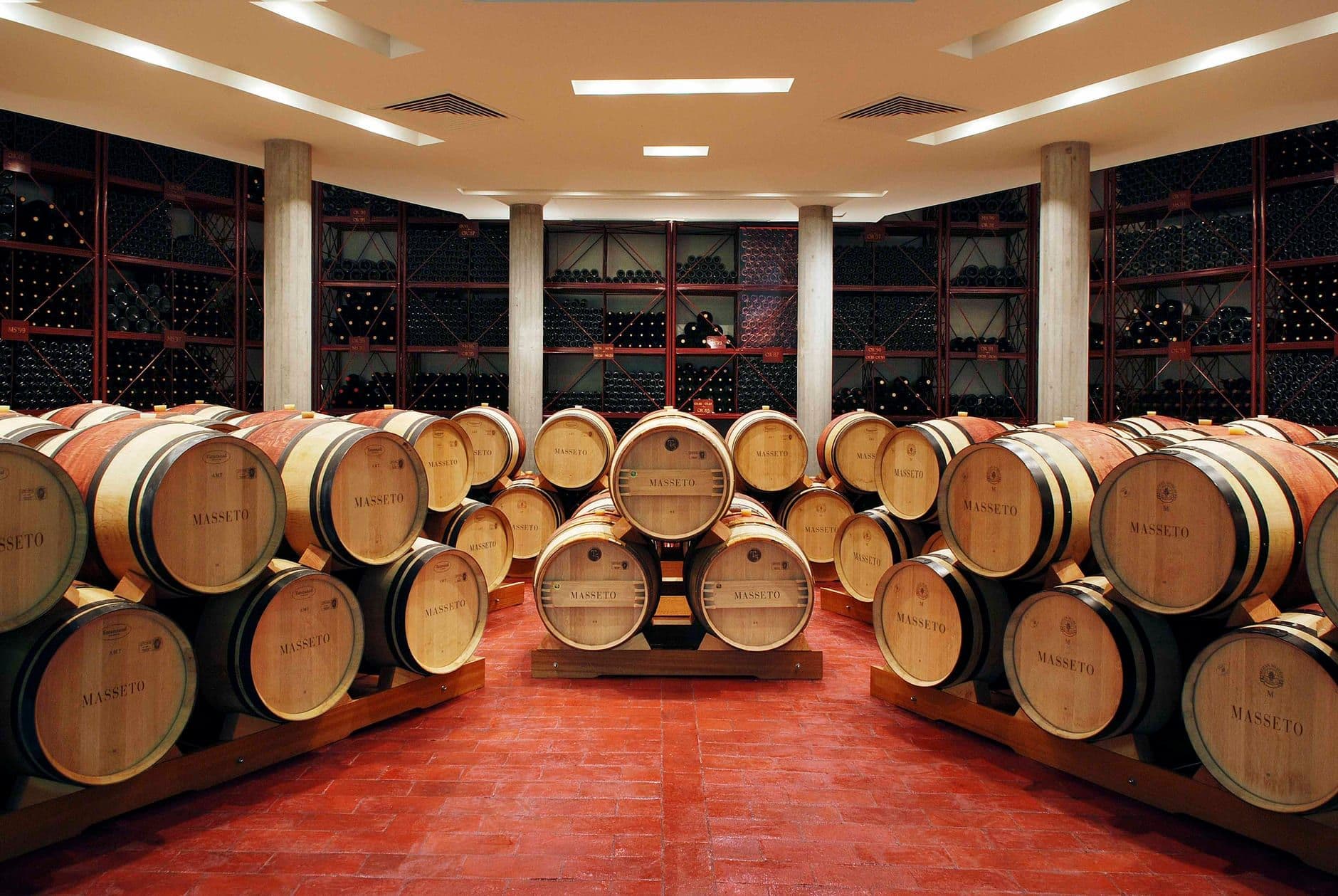
Bolgheri Wine Travel Guide (Tuscany, Italy)
Bolgheri, a small coastal town in Tuscany, Italy, has become synonymous with world-class wines. This picturesque region,
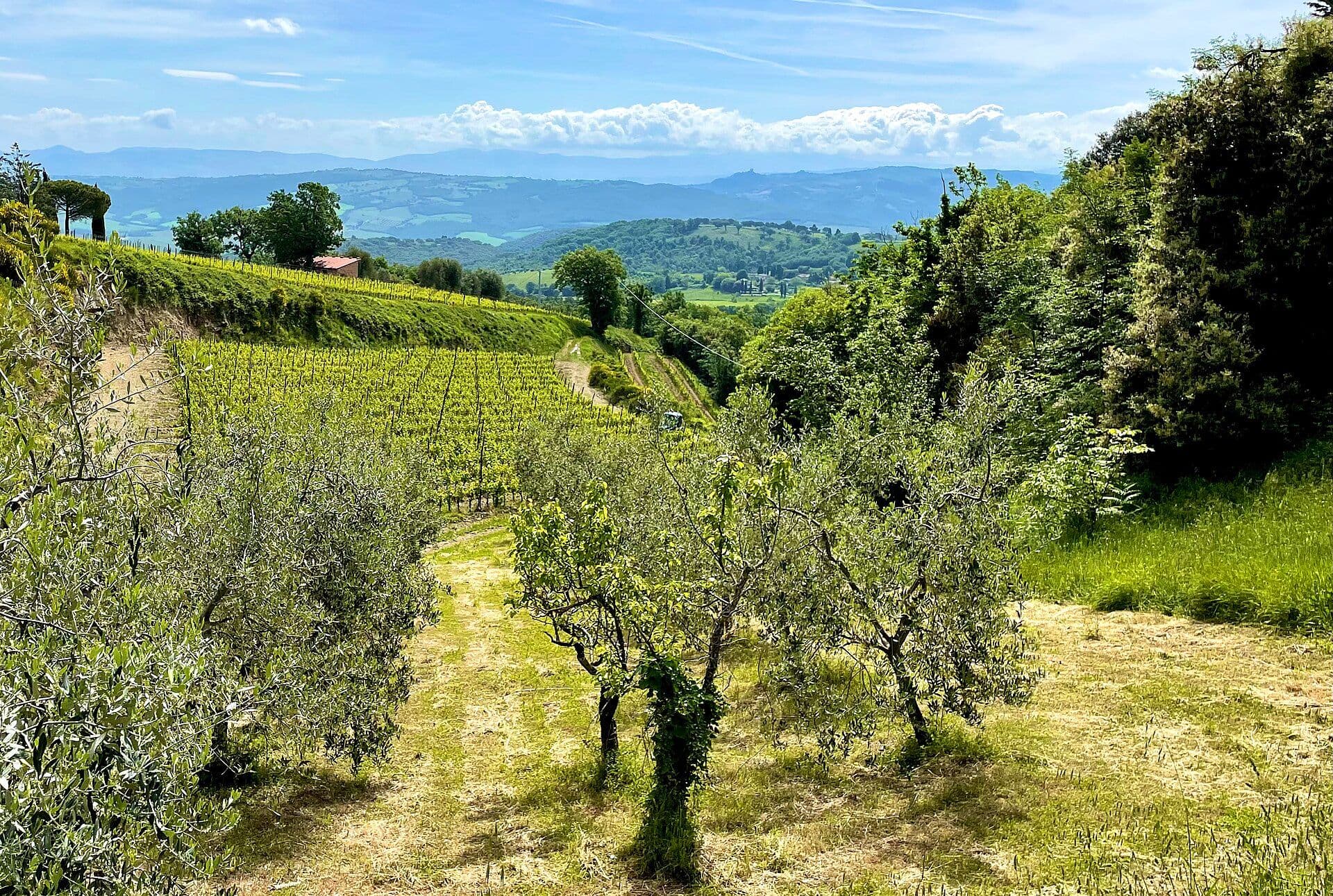
Brunello di Montalcino Wine Travel Guide (Tuscany, Italy)
Nestled in the heart of Tuscany, Brunello di Montalcino is a wine lover's paradise. This picturesque region produces one
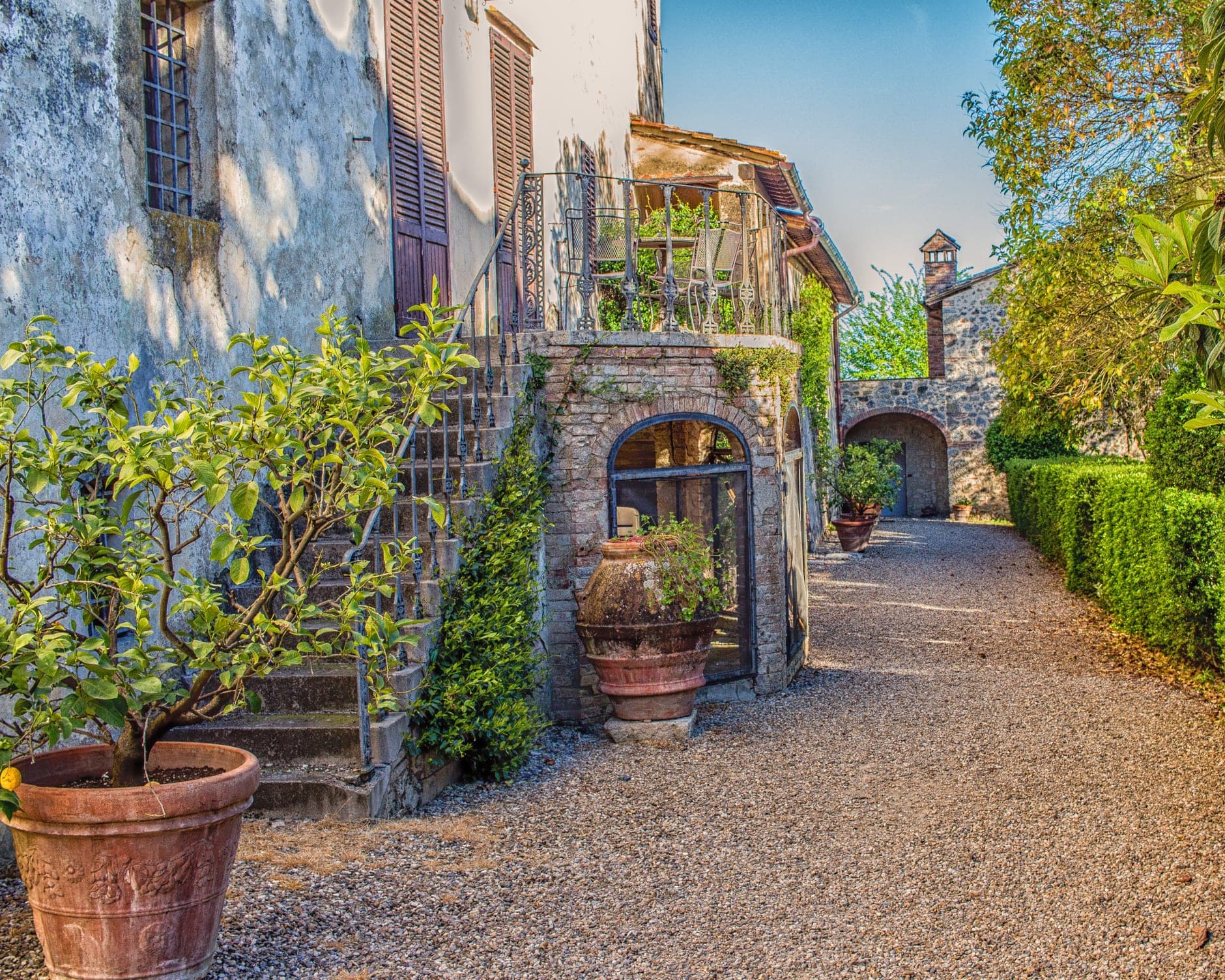
Chianti Classico Wine Travel Guide (Tuscany, Italy)
Nestled in the heart of Tuscany, Chianti Classico is a wine region steeped in history and tradition. This picturesque ar
Maremma Wine Travel Guide (Tuscany, Italy)
Maremma, nestled in southwestern Tuscany, offers a blend of rustic charm and world-class wines. This lesser-known region
Vino Nobile di Montepulciano Wine Travel Guide (Tuscany, Italy)
Vino Nobile di Montepulciano, a renowned red wine from Tuscany, Italy, offers wine enthusiasts a unique tasting experien
Best Time to Visit Tuscany
June-August
September-October
Very high in summer, moderate in spring/fall
Average Monthly High (°C)
Moderate (750mm/year)Wines of Tuscany
Key grape varieties and wine styles produced in the region
Primary Grape Varieties
Wine Styles
Food & Dining in Tuscany
Italian — ToscanaMust-Try Dishes
- Bistecca alla fiorentina
- Pappardelle al cinghiale
- Ribollita
Where to Eat
- €€€€
Osteria Francescana
Three Michelin stars in Modena — technically Emilia-Romagna but a day-trip icon from northern Tuscany
- €€€
Il Piastrino
Michelin-starred restaurant in Pennabilli, creative Tuscan-Romagnolo cuisine
Book Michelin-starred and popular trattorias 1–2 weeks ahead. Many close Monday or Tuesday.
Where to stay in the vineyard
Sleep among the vines — our pick of vineyard hotels and estate stays in Tuscany.
View Tuscany vineyard hotelsUpcoming Wine Festivals in Italy
See all festivalsHidden Gems Nearby
Discover more hidden gemsLa Stoppa
Emilia-Romagna, Italy
A natural wine icon in a forgotten corner of Emilia, producing orange wines and skin-contact whites that are pilgrimages for the in-the-know.
Barbera · Bonarda · Malvasia
Edoardo Valentini
Abruzzo, Italy
Italy's most reclusive great estate — no website, no marketing, produces the country's most legendary Trebbiano, and sells most grapes to neighbors.
Trebbiano · Montepulciano · Cerasuolo
Gravner
WTG PickFriuli Venezia Giulia, Italy
The birthplace of the modern orange wine movement — Gravner's qvevri cellar in a Slovenian border village is wine's most important pilgrimage.
Ribolla Gialla · Orange Wine
Continue Exploring
Related Guides
Vineyard Hotels in Tuscany: 9 Wine Estates Where You Can Stay (2026)
Stay on a working Tuscan wine estate — from Chianti Classico hill towns to Brunello territory in Montalcino, the Super Tuscan coast, and Vino Nobile country. Our guide to 9 vineyard hotels with rooms, grapes and what to expect.
How to Visit Tuscany Wine Country — Chianti, Brunello, Montepulciano
Tuscany is far more than Chianti. Here's how to build a wine trip that covers the best of Chianti Classico, Montalcino, and Montepulciano.
Did You Know?
We’re still gathering facts about Tuscany. Tell us what makes it special
Ready to visit Tuscany?
Build your personalised day-by-day itinerary — choose your travel style and trip length, get accommodation and tour picks per day, and email it to yourself to take along.
Plan Your Visit to Tuscany
Tours & Experiences via GetYourGuide
Where to Stay in Tuscany
Make the most of your Tuscany wine trip by staying in the heart of wine country. From luxurious vineyard estates to cozy B&Bs, find the perfect accommodation near world-class wineries.
Top areas to stay
- Greve in Chianti€€-€€€
Heart of Chianti Classico, piazza ringed with enotecas
- Montalcino€€€
Brunello country, hilltop fortress with panoramic views
- San Gimignano€€
Medieval towers, Vernaccia white wine, very photogenic
Agriturismos book out 6+ months ahead for summer — reserve early for the best estates
Booking.com
Compare prices from 100+ accommodation sites
This page contains affiliate links. We may earn a commission at no extra cost to you.