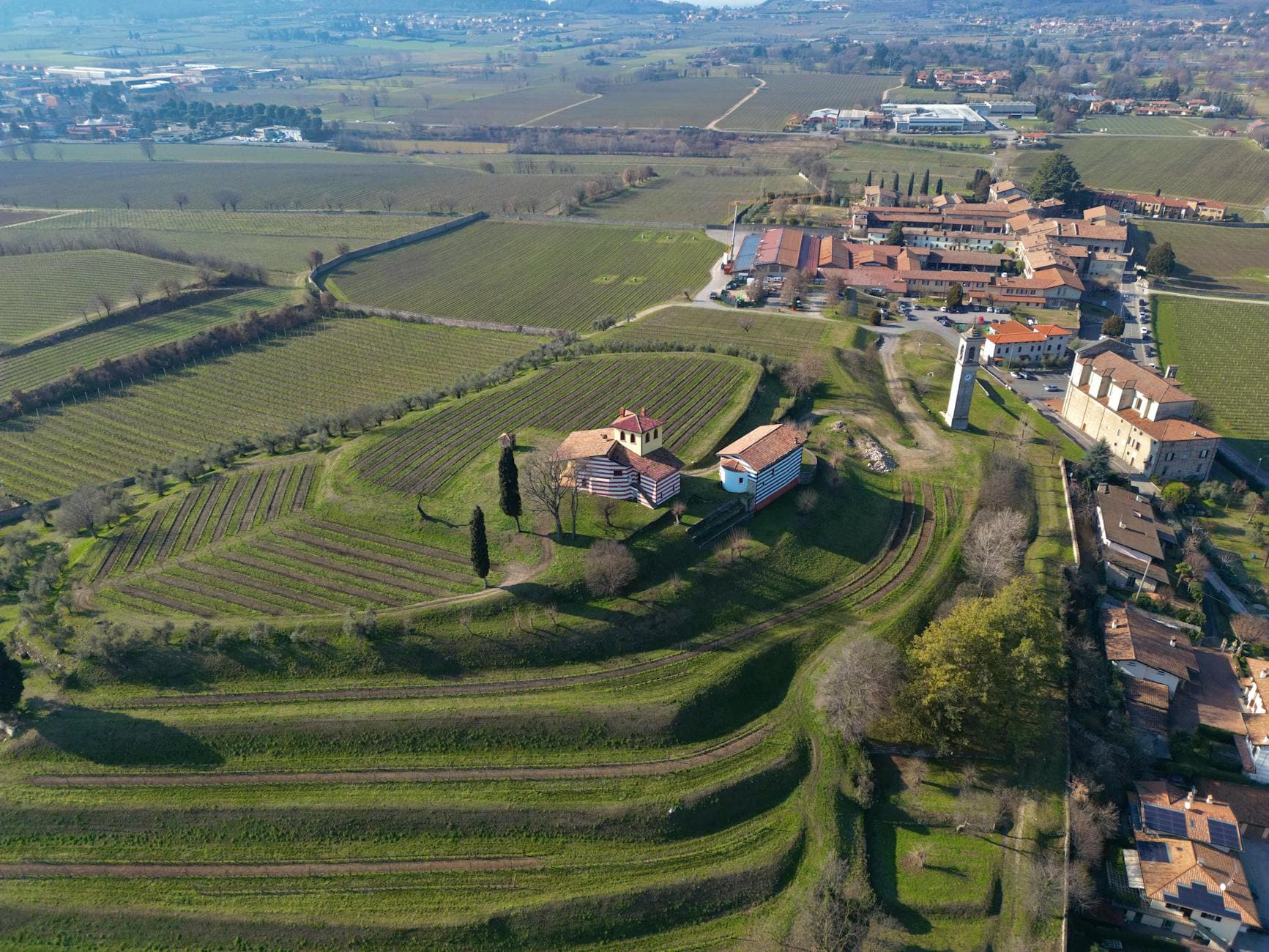
Best European Wine Regions Spring 2026
title: "Best European Wine Regions to Visit in Spring 2026: 10 Destinations for March, April & May"
slug: "best-european-wine-regions-spring-2026"
description: "Discover the 10 best European wine regions to visit in spring 2026. Expert picks for March, April & May wine travel with tips on wineries, weather & costs."
keywords: ["wine travel", "best wine regions to visit", "spring wine travel", "european wine regions", "wine country spring", "wine tours 2026"]
type: seasonal
regions: ["tuscany", "bordeaux", "douro-valley", "wachau-valley", "rioja", "champagne", "alsace", "naoussa", "szekszard", "istria"]
relatedGuides: ["wachau-valley-wine-region-guide", "what-is-a-flight-of-wine-guide"]
Best European Wine Regions to Visit in Spring 2026: 10 Destinations for March, April & May
Spring is the wine traveler's quiet advantage. The harvest crowds are months away, the vines are waking up, cellar doors are open but unhurried, and winemakers actually have time to talk. You get the full experience at a fraction of the peak-season intensity -- and usually at lower prices.
Europe in spring also means wildflowers in the vineyards, blossom-lined valleys, and the kind of soft light that makes every hilltop village look like a painting. Whether you are drawn to iconic appellations or lesser-known regions just starting to attract attention, this is the season to go.
This guide covers ten European wine destinations that are at their best between March and May 2026 -- from the grand estates of Bordeaux to the emerging natural wine scene of Greek Macedonia. Each entry includes why spring works, what to taste, where to go, and what to budget.
At a Glance: Spring 2026 Wine Travel Comparison

| Destination | Best Month | Key Wines | Spring Temp | Daily Budget (Mid) | Crowds | Trend Factor |
|---|---|---|---|---|---|---|
| Tuscany, Italy | April-May | Sangiovese, Brunello | 14-22C | EUR 200-350 | Medium | Classic, always |
| Bordeaux, France | April-May | Cabernet blends, Merlot | 12-20C | EUR 180-320 | Low-Medium | En primeur season |
| Douro Valley, Portugal | April-May | Port, Touriga Nacional | 14-24C | EUR 120-250 | Low | Rising fast |
| Wachau Valley, Austria | May | Gruner Veltliner, Riesling | 12-20C | EUR 150-300 | Low | Under the radar |
| Rioja, Spain | April-May | Tempranillo, Garnacha | 12-20C | EUR 130-260 | Low-Medium | Experiential pivot |
| Champagne, France | May | Champagne | 12-18C | EUR 200-380 | Low-Medium | Grower revolution |
| Alsace, France | April-May | Riesling, Gewurztraminer | 10-18C | EUR 140-280 | Low | Sustainability leader |
| Naoussa, Greece | April-May | Xinomavro | 12-22C | EUR 90-180 | Very Low | Emerging star |
| Szekszard, Hungary | April-May | Kadarka, Bikaver | 12-22C | EUR 80-160 | Very Low | Off the map |
| Istria, Croatia | April-May | Malvazija, Teran | 14-22C | EUR 100-220 | Low | Next big thing |
1. Tuscany, Italy
Why Spring
Tuscany in spring is everything the postcards promise -- minus the August tour buses. April brings wildflowers to the Chianti hills, and by May the vineyards are leafing out in bright green against centuries-old stone farmhouses. Temperatures are ideal for walking, cycling, and long lunches on terrace restaurants without breaking a sweat.
Spring is also when many estates release new vintages and host open days. The Chianti Classico Collection (usually held in February or March) kicks off a season of tastings and winery events that run through May.
Key Wines
Sangiovese is king -- from everyday Chianti to structured Chianti Classico Riserva and the legendary Brunello di Montalcino. Spring is an excellent time to taste through new releases, including Rosso di Montalcino and Vino Nobile di Montepulciano, which are drinking beautifully at 1-3 years old. The Super Tuscan estates around Bolgheri also welcome visitors with less fanfare than during harvest.
Must-Visit Wineries
- Antinori nel Chianti Classico (Bargino) -- the architecturally stunning headquarters of one of Italy's oldest wine families. No appointment needed for the wine bar.
- Biondi-Santi (Montalcino) -- the birthplace of Brunello. Book weeks in advance.
- Castello di Ama (Gaiole in Chianti) -- wine meets contemporary art in a medieval hamlet.
Practical Tips
- Weather: March is still cool and changeable (10-15C). April and May are the sweet spot (15-22C) with occasional rain.
- Costs: Accommodation is 20-30% cheaper than September-October peak. A mid-range agriturismo runs EUR 120-200/night.
- Crowds: Manageable in April, building in May. Nothing like the summer crush.
- Getting there: Florence airport, then 45-90 minutes by car depending on sub-region.
For detailed accommodation advice, see our Where to Stay in Tuscany guide.
2. Bordeaux, France
Why Spring
April in Bordeaux means one thing to the wine world: en primeur. This is when chateaux release barrel samples of the previous vintage for critics and merchants to taste and score. While the official en primeur week is trade-focused, the energy spills over into the entire region. Many estates hold open days, and the buzz makes spring the most exciting time to visit.
Even outside en primeur, spring Bordeaux is gorgeous. The vineyards across the Medoc, Saint-Emilion, and Graves are bright green, the riverside city is in full bloom, and the new wave of Bordeaux wine bars in the city centre make it easy to taste widely without a car.
Key Wines
Left Bank Cabernet Sauvignon-dominant blends (Medoc, Pauillac, Margaux) and Right Bank Merlot-led wines (Saint-Emilion, Pomerol) are the headliners. But spring is a great time to explore the value end -- Cotes de Bordeaux, Entre-Deux-Mers whites, and the increasingly impressive Cremant de Bordeaux sparkling wines.
Must-Visit Wineries
- Chateau Margaux (Margaux) -- one of the five First Growths. Appointments required and typically booked months ahead, but spring has more availability.
- Chateau Smith Haut Lafitte (Pessac-Leognan) -- also home to Les Sources de Caudalie spa. A full-day destination.
- Cite du Vin (Bordeaux city) -- not a winery, but the world's best wine museum. Essential for context before visiting estates.
Practical Tips
- Weather: March is cool and rainy (10-14C). April-May are pleasant (14-20C) with longer days.
- Costs: City hotels EUR 120-250/night, chateau B&Bs EUR 150-350. Tasting fees EUR 10-25 per estate.
- Crowds: Low in spring compared to the September harvest rush. En primeur week (usually late March/April) is busy in the trade, but most public tasting rooms remain quiet.
- Getting there: Bordeaux-Merignac airport with direct flights from most European capitals. TGV from Paris in 2 hours.
For accommodation options, see our Where to Stay in Bordeaux guide.
<!-- AFFILIATE: Wine tour booking widget for Bordeaux spring wine tours (GetYourGuide, Viator) -->
3. Douro Valley, Portugal
Why Spring
The Douro Valley is one of Europe's most dramatically beautiful wine regions -- terraced vineyards carved into steep schist hillsides above the Douro River. In spring, the valley transforms. Almond and cherry trees blossom along the riverbanks in March, the terraces turn green by April, and the temperatures are warm without the brutal summer heat that can push the Douro above 40C.
The Douro has been gaining international recognition rapidly, and 2026 marks a turning point. More quintas (wine estates) are investing in visitor experiences, boutique accommodations, and experiential tourism that goes beyond a glass of Port.
Key Wines
This is the home of Port wine -- tawny, ruby, LBV, and vintage Ports are all tasted here. But the real story of the modern Douro is its still red wines: powerful, complex blends of indigenous grapes like Touriga Nacional, Touriga Franca, and Tinta Roriz. These table wines rival anything from France or Italy and remain remarkably underpriced. White Douro wines are also worth seeking out -- fresh, aromatic, and increasingly fashionable.
Must-Visit Wineries
- Quinta do Crasto (Sabrosa) -- stunning terrace with panoramic valley views. Walk-in tastings available.
- Quinta da Pacheca (Lamego) -- famous for its wine barrel hotel rooms. Book the tasting paired with regional food.
- Niepoort (Provesende) -- one of the leading producers of both Port and dry wines, with a strong natural wine philosophy.
Practical Tips
- Weather: March 12-16C, April-May 16-24C. Spring rain is common but brief.
- Costs: Significantly cheaper than France or Italy. Quinta stays EUR 80-180/night. Full lunches with wine EUR 25-45. Tasting fees EUR 8-20.
- Crowds: Very low outside Porto itself. You may be the only visitor at a quinta in April.
- Getting there: Fly to Porto, then 90 minutes east by car. The N222 road along the Douro is regularly cited as one of the most scenic drives in the world.
4. Wachau Valley, Austria
Why Spring
The Wachau Valley is at its most enchanting in May, when apricot trees blossom across the valley floor and the terraced vineyards above the Danube come alive with new growth. This UNESCO World Heritage stretch between Melk and Krems is compact, walkable, and deeply rewarding for wine lovers who care about terroir and craftsmanship.
Spring also brings the new vintage releases. Wachau producers typically bottle and release their Federspiel and Steinfeder wines in spring, so this is your chance to taste the freshest expressions alongside the more serious Smaragd bottlings from cellar reserves.
Key Wines
Gruner Veltliner and Riesling, both produced in the dry, mineral-driven Wachau style. The region's unique classification -- Steinfeder (light), Federspiel (medium), Smaragd (full-bodied) -- is unmatched anywhere else in the wine world. These are some of Europe's finest white wines, yet they remain less expensive and less crowded than equivalent quality levels in Burgundy or Alsace.
Must-Visit Wineries
- Domane Wachau (Durnstein) -- the region's largest cooperative, with an excellent modern tasting room overlooking the Danube. No appointment needed.
- Weingut Nikolaihof (Mautern) -- Austria's oldest winery (documented since 985 AD), now fully biodynamic. Appointment required.
- Weingut Prager (Weissenkirchen) -- outstanding Rieslings and one of the best terrace views in the valley.
Practical Tips

- Weather: May is ideal (12-20C). March and early April can still be cold (5-12C), with many estate tasting rooms opening for the season around Easter.
- Costs: Mid-range by Austrian standards. Hotels EUR 100-200/night, tastings EUR 8-20, Danube boat trips EUR 28-48.
- Crowds: Low to very low. Even May feels uncrowded compared to the autumn wine festival season.
- Getting there: 80 km west of Vienna. Train from Vienna to Krems takes 75 minutes (EUR 18-22).
Read our full guide: The Complete Guide to Austria's Wachau Valley Wine Region
5. Rioja, Spain
Why Spring
Rioja in spring is warm, golden, and uncrowded. The vineyards across the Ebro Valley are leafing out, medieval towns like Laguardia and Haro are quiet enough that you can actually talk to winemakers, and the region's modern architectural wineries -- some designed by Zaha Hadid, Frank Gehry, and Santiago Calatrava -- look spectacular against clear spring skies.
Rioja is also in the middle of an experiential tourism revolution. A growing number of bodegas now offer immersive experiences: blending workshops, vineyard picnics, barrel tastings with the winemaker, and multi-course paired lunches. Spring 2026 is the moment to experience this before the region gets "discovered" in the way Douro and Istria have been.
Key Wines
Tempranillo is the star, but Rioja's classification system is what makes tastings here so interesting. Moving from Joven (young, fruity) through Crianza, Reserva, and Gran Reserva reveals how time in barrel transforms the same grape. White Rioja -- particularly barrel-aged Viura -- is having a renaissance and is worth seeking out. Garnacha from the higher-altitude vineyards of Rioja Oriental is the region's emerging fine wine story.
Must-Visit Wineries
- Marques de Riscal (Elciego) -- the Frank Gehry-designed hotel and winery is an architectural landmark. Book the full tour-and-tasting experience.
- Lopez de Heredia (Haro) -- the most traditional bodega in Rioja, unchanged for over 140 years. The tasting room is extraordinary.
- Bodega Contador (San Vicente de la Sonsierra) -- small, modern, making some of Rioja's highest-scored wines.
Practical Tips
- Weather: March is cool (10-16C). April-May are ideal (14-22C) with low rainfall.
- Costs: Excellent value. Hotels EUR 80-180/night. Tasting fees EUR 8-25 (many include a full glass). Lunches with wine EUR 20-40.
- Crowds: Low. Even the famous bodegas have availability in spring.
- Getting there: Fly to Bilbao (1.5 hours from Haro) or Logrono airport (limited routes). The Basque Country coast is an easy add-on.
See our Where to Stay in Rioja guide for accommodation recommendations.
<!-- AFFILIATE: Rioja wine experience booking widget (wine tours, blending workshops, bodega stays) -->
6. Champagne, France
Why Spring
Champagne is not just a wine -- it is a region, and in spring it is surprisingly intimate. The tourist crowds that flood Reims and Epernay in summer have not arrived yet, and the famous Grandes Maisons have shorter queues and more personal tours. May is when the vineyards come alive: the vines are budding, the chalky hillsides glow white between rows of green, and the light has a clarity that makes the landscape feel almost sacred.
The biggest trend in Champagne right now is the grower revolution -- small, independent vignerons who grow their own grapes and make their own Champagne, rather than selling to the big houses. Spring is the best time to visit grower-producers, who are often too busy during harvest to receive visitors.
Key Wines
Champagne, in all its forms. But do not just taste the household names. Seek out grower Champagne (look for "RM" on the label, meaning Recoltant-Manipulant) from villages like Avize, Cramant, Bouzy, and Ambonnay. Blanc de Blancs from the Cote des Blancs, Blanc de Noirs from the Montagne de Reims, and rose Champagne from Bouzy are all worth exploring. Non-dosage (zero sugar) bottlings are a growing category for drinkers who want to taste pure terroir.
Must-Visit Wineries
- Ruinart (Reims) -- the oldest Champagne house, with extraordinary chalk cellars (crayeres). Book the "Art in the Vines" experience for something beyond a standard tour.
- Jacques Selosse (Avize) -- the godfather of grower Champagne. Visits are difficult to arrange but transformative if you can secure one.
- Champagne Laherte Freres (Chavot-Courcourt) -- a modern grower producer making some of the most exciting wines in the region. Biodynamic, terroir-driven, and welcoming to visitors.
Practical Tips
- Weather: March is cold (5-10C). April-May warmer (10-18C) but Champagne is northerly -- pack layers.
- Costs: On the higher side. Hotels EUR 120-280/night. Tasting fees EUR 15-35 at the Grandes Maisons, EUR 10-20 at grower estates.
- Crowds: Low in March-April, building in May. Nothing like July-August.
- Getting there: Reims is 45 minutes by TGV from Paris Gare de l'Est. Epernay is a further 30 minutes by local train or car.
See our Where to Stay in Champagne guide.
7. Alsace, France
Why Spring
Alsace is the European wine region that most rewards slow travel -- half-timbered villages, flower-lined canals, hillside vineyards with Vosges mountain backdrops, and a food culture that blends French technique with Germanic heartiness. In spring, the Route des Vins is quiet, the winstubs (traditional wine taverns) are serving the new vintage, and the villages of Riquewihr, Eguisheim, and Kaysersberg look like storybook illustrations.
Alsace is also a leader in the sustainability movement that is reshaping European wine in 2026. More than half of the region's producers now farm organically or biodynamically, and the natural wine scene is thriving, particularly around the Grand Cru vineyards of the southern Haut-Rhin.
Key Wines
Riesling is Alsace's greatest grape -- dry, mineral, and age-worthy from the top Grand Cru sites. But the diversity here is remarkable: Gewurztraminer (floral, spicy), Pinot Gris (rich, smoky), Muscat d'Alsace (delicate, dry), Pinot Blanc (crisp, everyday), and Cremant d'Alsace (the best-value sparkling in France). The Grand Cru system, with 51 designated vineyards, is a wine geek's playground.
Must-Visit Wineries
- Domaine Weinbach (Kaysersberg) -- a former Capuchin monastery producing some of Alsace's most elegant wines. The Grand Cru Schlossberg Riesling is legendary.
- Domaine Zind-Humbrecht (Turckheim) -- Olivier Humbrecht MW runs this biodynamic estate with scientific precision. The wines are powerful and profound.
- Domaine Albert Mann (Wettolsheim) -- organic/biodynamic, approachable, excellent across the full range.
Practical Tips
- Weather: March is cool (6-12C). April-May are pleasant (12-20C) with blossoms throughout.
- Costs: Good value for France. Guesthouses EUR 80-160/night. Tasting flights often free or EUR 5-10. Winstub meals EUR 15-30.
- Crowds: Very low. The Route des Vins is at its quietest in spring.
- Getting there: Strasbourg (TGV from Paris, 1h45) or Basel-Mulhouse airport. The wine route runs north-south and is perfect for a 3-5 day road trip.
8. Naoussa, Greece
Why Spring
Naoussa is one of the most exciting emerging wine destinations in Europe. Located in Greek Macedonia, at the base of Mount Vermio, this small appellation produces world-class reds from Xinomavro -- a grape often called "the Nebbiolo of Greece" for its tannic structure, acidity, and aging potential. Spring is ideal here: the climate is Mediterranean but elevated, so April and May are warm without the searing summer heat, and the wildflower-covered slopes are spectacular.
The Greek wine scene is booming in 2026, driven by a new generation of winemakers combining indigenous varieties with modern techniques. Naoussa is at the center of this movement, yet it receives a fraction of the visitors that Santorini attracts. You will have winemakers to yourself.
Key Wines
Xinomavro in all its forms -- young and vibrant, aged and complex, rose, and even sparkling. At its best, aged Xinomavro from Naoussa rivals Barolo for complexity, with flavours of dried tomato, olive, dark fruit, and earth. The grape's high acidity and tannin mean it ages for decades. Also look for white wines from Malagousia and Assyrtiko grown at altitude.
Must-Visit Wineries
- Kir-Yianni (Yianakohori) -- founded by the Boutari family, with a modern visitor centre and panoramic mountain views. Excellent introductory tastings.
- Thymiopoulos Vineyards (Trilofos) -- Apostolos Thymiopoulos is one of Greece's most acclaimed young winemakers. His "Earth & Sky" Xinomavro is extraordinary. Small-scale, personal visits.
- Domaine Karydas (Naoussa) -- boutique producer, organic, deeply rooted in the terroir. Appointments only.
Practical Tips
- Weather: April 14-20C, May 18-26C. Ideal conditions. Some rain possible in April.
- Costs: Extremely affordable. Hotels EUR 60-120/night. Tastings EUR 5-15. Full meals with wine EUR 15-30.
- Crowds: Virtually non-existent. This is pre-tourism wine country.
- Getting there: Fly to Thessaloniki (Greece's second city), then 1.5 hours west by car. Combine with the coast and Thessaloniki's excellent food scene.
9. Szekszard, Hungary
Why Spring
If you want to drink extraordinary wine in a place no one else is visiting, Szekszard is your answer. This small wine region in southern Hungary produces powerful, spicy reds that rival anything from the northern Rhone -- yet most wine travelers have never heard of it. Spring here is gentle and warm, with rolling hills, sunflower fields on the horizon, and deep-rooted vines growing in loess soils that give the wines their distinctive character.
Hungary's wine renaissance is real. Beyond the well-known Tokaj (famous for sweet wines), regions like Szekszard and nearby Villany are producing dry reds of genuine international quality. The 2026 trend toward lesser-known regions and authentic, off-the-beaten-path experiences makes Szekszard a destination with perfect timing.
Key Wines
Kadarka is the indigenous hero -- a light-to-medium red with peppery spice and silky tannin that is utterly unique. Bikaver ("Bull's Blood") is the region's flagship blend, combining Kadarka with Kekfrankos (Blaufrankisch), Merlot, and Cabernet Franc for something much more serious than the mass-market version from Eger. Single-varietal Kekfrankos from old vines is also exceptional.
Must-Visit Wineries
- Vida Pince (Szekszard) -- one of the region's benchmark producers. Ferenc Vida's Bikaver Superior is among Hungary's greatest reds. Personal tastings with the family.
- Sebestyen (Szekszard) -- small, organic, making intensely terroir-driven wines. One of the new wave Hungarian producers gaining international attention.
- Takler (Szekszard) -- the largest quality producer, with a modern visitor centre and full range of tastings.
Practical Tips
- Weather: April 14-20C, May 18-26C. Warm, dry springs.
- Costs: Remarkably cheap. Hotels EUR 40-100/night. Tastings EUR 5-12. Restaurant meals with wine EUR 10-25.
- Crowds: Non-existent for international visitors. You will be a novelty.
- Getting there: Fly to Budapest, then 2 hours south by car or train. Combine with a night in Budapest (one of Europe's best food cities) and a day trip to Villany.
10. Istria, Croatia
Why Spring
Istria has been called "the next Tuscany" for so long that it risks becoming a cliche -- except that it keeps proving the comparison accurate. This heart-shaped peninsula on Croatia's northern coast combines rolling vineyards, hilltop medieval towns, truffle forests, and an Adriatic coastline into one compact, incredibly photogenic package. Spring is the perfect window: warm enough for outdoor tastings (14-22C), cool enough for walking, and right in the middle of truffle season (spring white truffles run March through May).
Istrian wine has matured enormously in recent years. The indigenous white grape Malvazija Istarska is now producing wines that win international competitions, and the red grape Teran (Refosco) is finding its identity as a food-friendly, terroir-driven red unlike anything else in the Mediterranean.
Key Wines
Malvazija Istarska is the flagship -- ranging from fresh and citrusy to complex, skin-contact "orange" versions that are part of the broader natural wine movement gaining momentum in 2026. Teran is the indigenous red: dark, acidic, earthy, and ideal with the region's robust cuisine. Also look for Muscat Momjanski (sweet, floral) and an increasing number of quality international varieties (Merlot, Cabernet Sauvignon) grown in the interior.
Must-Visit Wineries
- Kozlovic (Momjan) -- Istria's most acclaimed producer, with a beautiful hilltop tasting room. The Malvazija Santa Lucia is a benchmark. No appointment needed.
- Kabola (Momjan) -- organic, innovative, with excellent skin-contact whites and a strong natural wine program.
- Coronica (Umag) -- family estate making terroir-expressive Malvazija and Teran. Personal tastings on the seaside terrace.
Practical Tips
- Weather: March 12-16C, April-May 16-24C. Mild, sunny springs with occasional rain.
- Costs: Good value. Hotels EUR 70-160/night. Tastings EUR 8-18. Truffle meals EUR 25-50 (a fraction of Italian truffle country prices).
- Crowds: Low in spring. The coast gets busy July-August, but the wine interior stays calm.
- Getting there: Fly to Pula (seasonal routes) or Trieste/Ljubljana (year-round). The region is compact -- you can drive across it in 90 minutes.
<!-- AFFILIATE: European wine tour package widget (multi-country spring wine tours) -->
2026 Trends Shaping Spring Wine Travel
Experiential Wine Tourism
The days of standing at a counter tasting five wines for free are fading. In 2026, the most rewarding winery visits are immersive: vineyard walks with the winemaker, blending sessions where you create your own cuvee, multi-course lunches paired with library vintages, and overnight stays in estate guesthouses. Regions like Rioja, Douro, and Champagne are investing heavily in these experiences. They cost more, but the depth of engagement is incomparable.
Sustainability and Natural Wine
Organic and biodynamic farming has moved from niche to mainstream across European wine regions. Alsace, the Wachau, and parts of Tuscany now have majority-organic vineyards. The natural wine movement -- minimal intervention, wild ferments, low or no sulfur -- is also shaping travel choices. Regions like Istria, Naoussa, and the broader Jura and Loire are attracting a younger, sustainability-conscious traveler who wants to taste wines made with transparency and ecological awareness.
The Rise of Lesser-Known Regions
The most significant shift in wine travel is the growing appetite for destinations that do not appear on every "top 10" list. Szekszard, Naoussa, the Canary Islands, Portugal's Alentejo, and Croatia's Istria are all seeing increased interest from travelers who have already done Bordeaux and Tuscany and want something new. These regions offer better value, more personal access, and the thrill of genuine discovery.
Slow Travel and Multi-Day Stays
The weekend winery-hopping sprint is giving way to slower, deeper immersion. Travelers in 2026 are booking 3-5 nights in a single region rather than racing through three in a week. This favours compact regions like the Wachau, Naoussa, and Szekszard, where you can explore thoroughly without spending hours in a car.
Planning Your Spring 2026 Wine Trip
How to Choose Your Region
- First European wine trip? Start with Tuscany or Bordeaux. The infrastructure is mature, the wines are world-famous, and navigation is straightforward.
- Done the classics? The Douro, Champagne grower visits, or Alsace offer the next level of depth.
- Adventurous explorer? Naoussa, Szekszard, or Istria deliver the thrill of discovery at a fraction of the cost.
- Budget-conscious? Szekszard, Naoussa, and the Douro offer world-class wine experiences for under EUR 150/day including accommodation.
Booking Tips
- Reserve top estates early. Biondi-Santi, Chateau Margaux, Jacques Selosse, and F.X. Pichler require weeks or months of advance booking.
- Rent a car for rural regions. Douro, Wachau, Szekszard, Naoussa, and Rioja are not practical by public transport.
- Go midweek. Even in spring, Saturday is the busiest day at any winery. Tuesday through Thursday yields the most relaxed visits.
- Combine strategically. Alsace + Champagne (3 hours apart). Douro + Rioja (fly to Porto, drive to Rioja via Madrid). Istria + Wachau (Ljubljana connects them). Naoussa + Santorini (different flights, same trip).
- Check for wine festivals. Many regions hold spring events: Bordeaux en primeur (April), Rioja wine festival in Haro (June, but planning starts now), and local village fetes across Alsace and Tuscany.
What to Pack
Spring weather in European wine country is variable. Bring layers: a light jacket, a rain shell, comfortable walking shoes for vineyard paths, and something smart-casual for upmarket estate dinners. Sun protection is essential from April onward, especially in Portugal, Spain, Greece, and Istria.
Further Reading
- Old World vs New World Wine Regions: A Traveler's Guide -- understand the European wine travel philosophy
- The Complete Guide to Austria's Wachau Valley -- deep dive into one of this list's highlights
- Where to Stay in Bordeaux -- plan your Bordeaux base
- Where to Stay in Tuscany Wine Country -- Chianti, Montalcino, Bolgheri and more
- Where to Stay in Rioja -- bodegas, towns, and accommodation options
- Where to Stay in Champagne -- Reims, Epernay, and grower villages
Word Count: ~2,500
Last Updated: February 2026
Author: WineTravelGuides Editorial Team
Book Your Best European Wine Regions Spring 2026 Wine Country Stay
Compare prices on hotels, vineyard B&Bs, and vacation rentals near the best wineries in Best European Wine Regions Spring 2026.
Search Hotels on Booking.comPlan Your Best European Wine Regions Spring 2026 Trip
Estimate your Best European Wine Regions Spring 2026 trip cost
Budget calculator with accommodation, food, wine, and transport estimates.
Try itCompare Best European Wine Regions Spring 2026 with other regions
Side-by-side comparison of cost, climate, wine styles, and more.
Try itWhen to visit Best European Wine Regions Spring 2026
Harvest dates, peak season, and the best months for wine travel.
Try itThis page contains affiliate links. We may earn a commission at no extra cost to you.